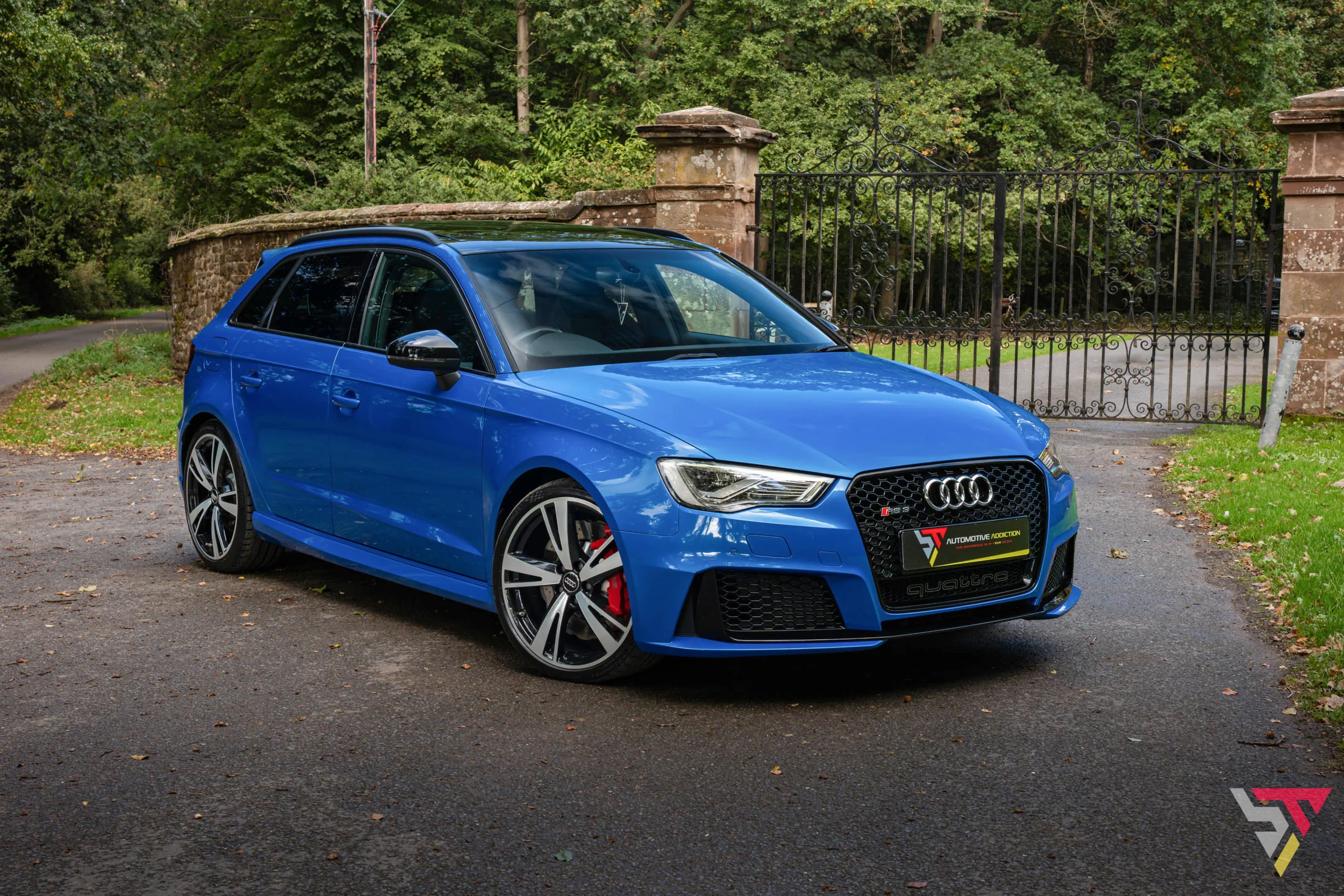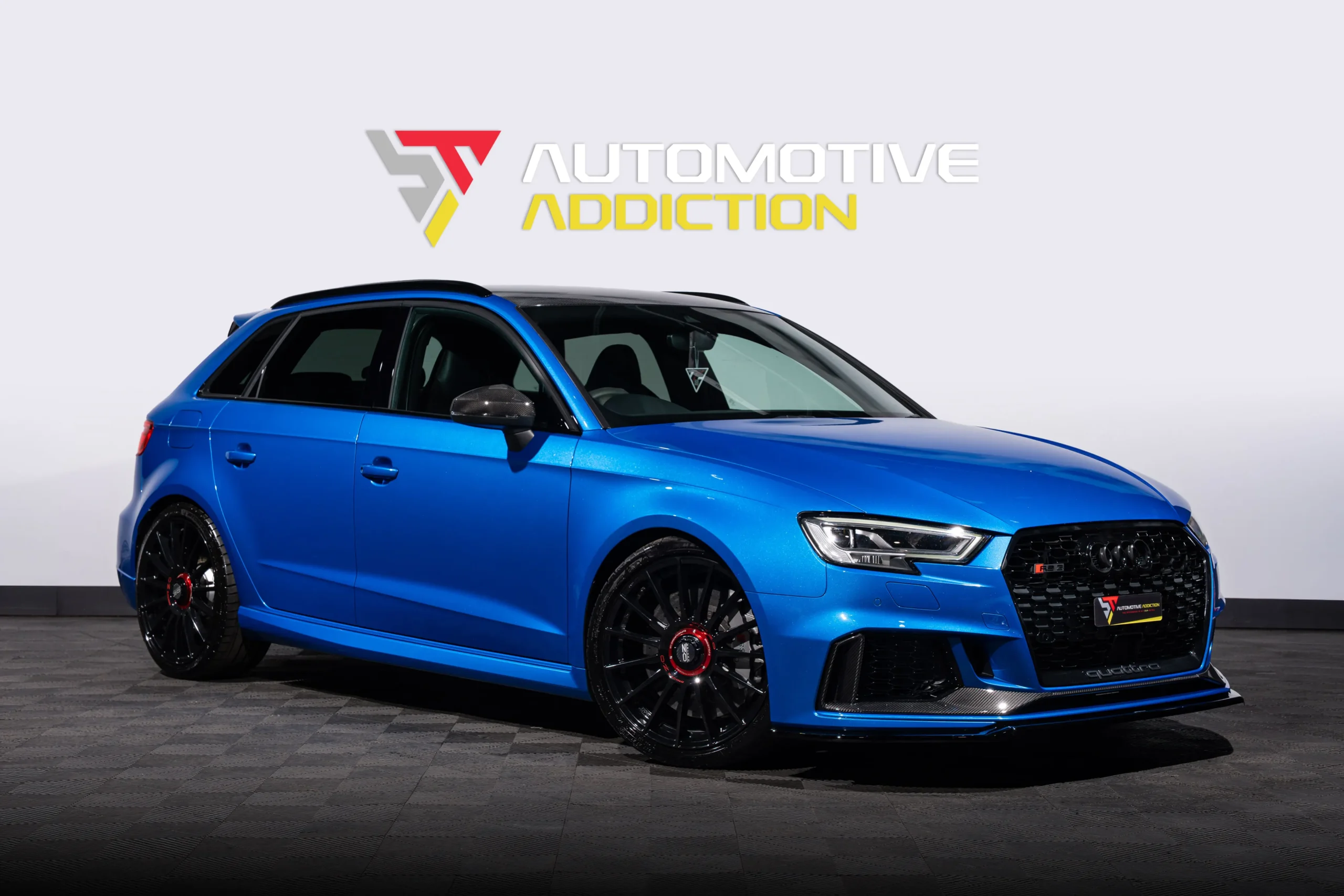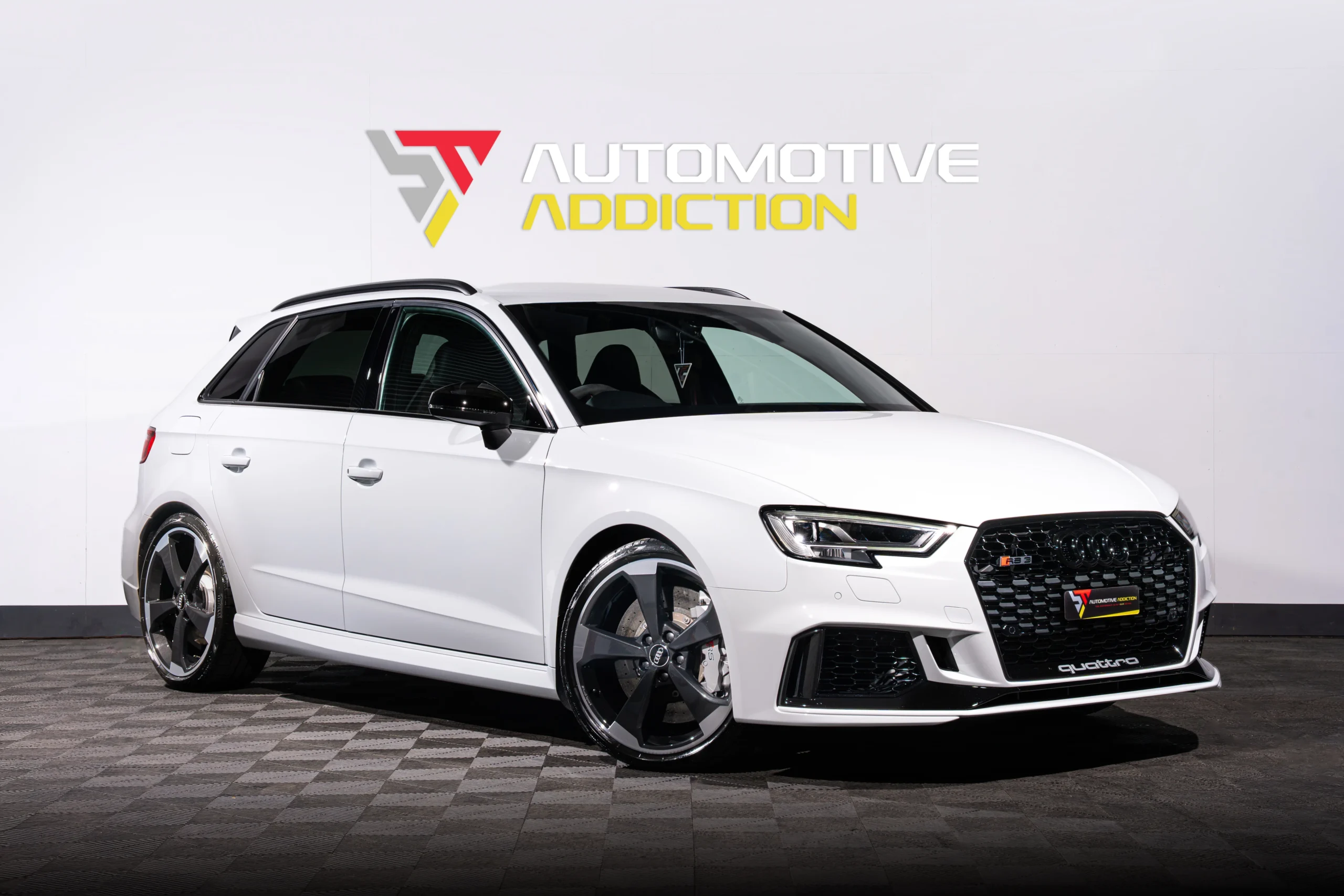
For many enthusiasts, the Audi RS3 represents the ultimate everyday performance car: compact, understated, devastatingly quick, and blessed with that unmistakable soundtrack of the five-cylinder engine. Now on its fourth generation with the stunning 8Y model, for many petrolheads, the two versions that combine both the legendary exhaust note and tunability the RS3 is known for, along with a more affordable price tag on the used market, is the facelifted 8V.2 with its legendary DAZA engine, and the later DNWA variant with OPF filters. But which one represents the best buy for performance, sound, and tuning potential? And which makes the best base for future upgrades? Read our Audi RS3 buyers guide to find out.
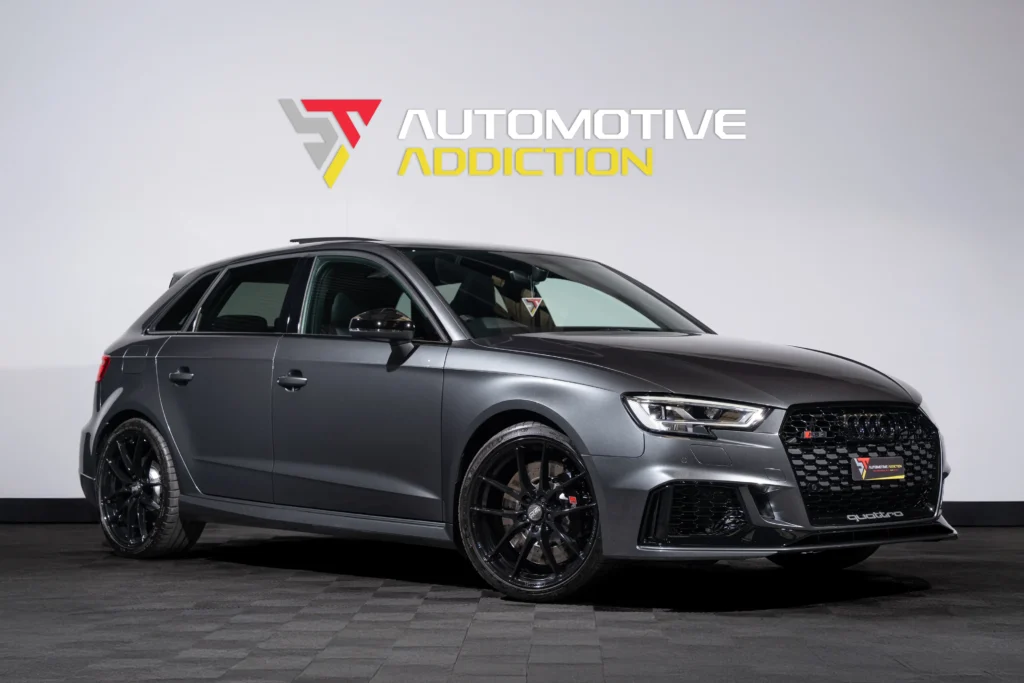
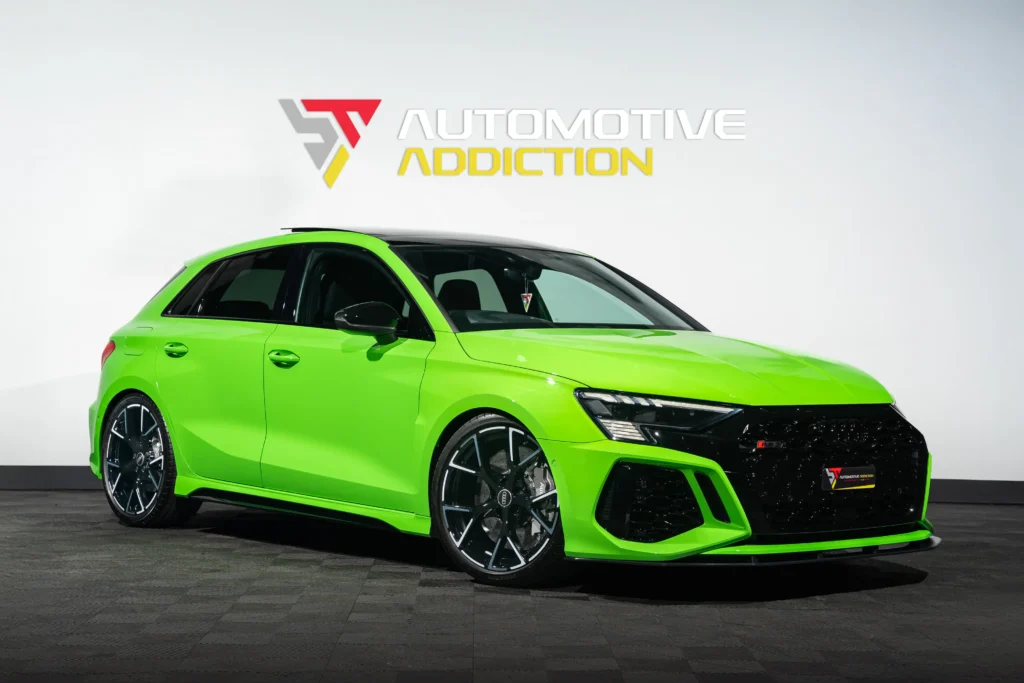
As one of the country’s principal Audi RS specialists, as well being expert moderators on the Audi RS Owners Club forum, the Audi RS3 8Y page and Audi RS6GT owners club page, Automotive Addiction has unrivalled experience with all generations of the RS3 platform. Having sold over 700 examples to date, this makes us ideally positioned to guide you through this complex process, providing a dive deep into the details of both models – including the iconic five-cylinder engine, exhaust note, tuning potential, styling, driving dynamics, and common issues – so you can pick the right RS3 for your garage.
To watch our video highlighting the differences between the models, click the video below or to read a detailed breakdown of the various factory options for these cars, visit our blog post here.
The Facelift 8V (2017–2018): Enter the DAZA
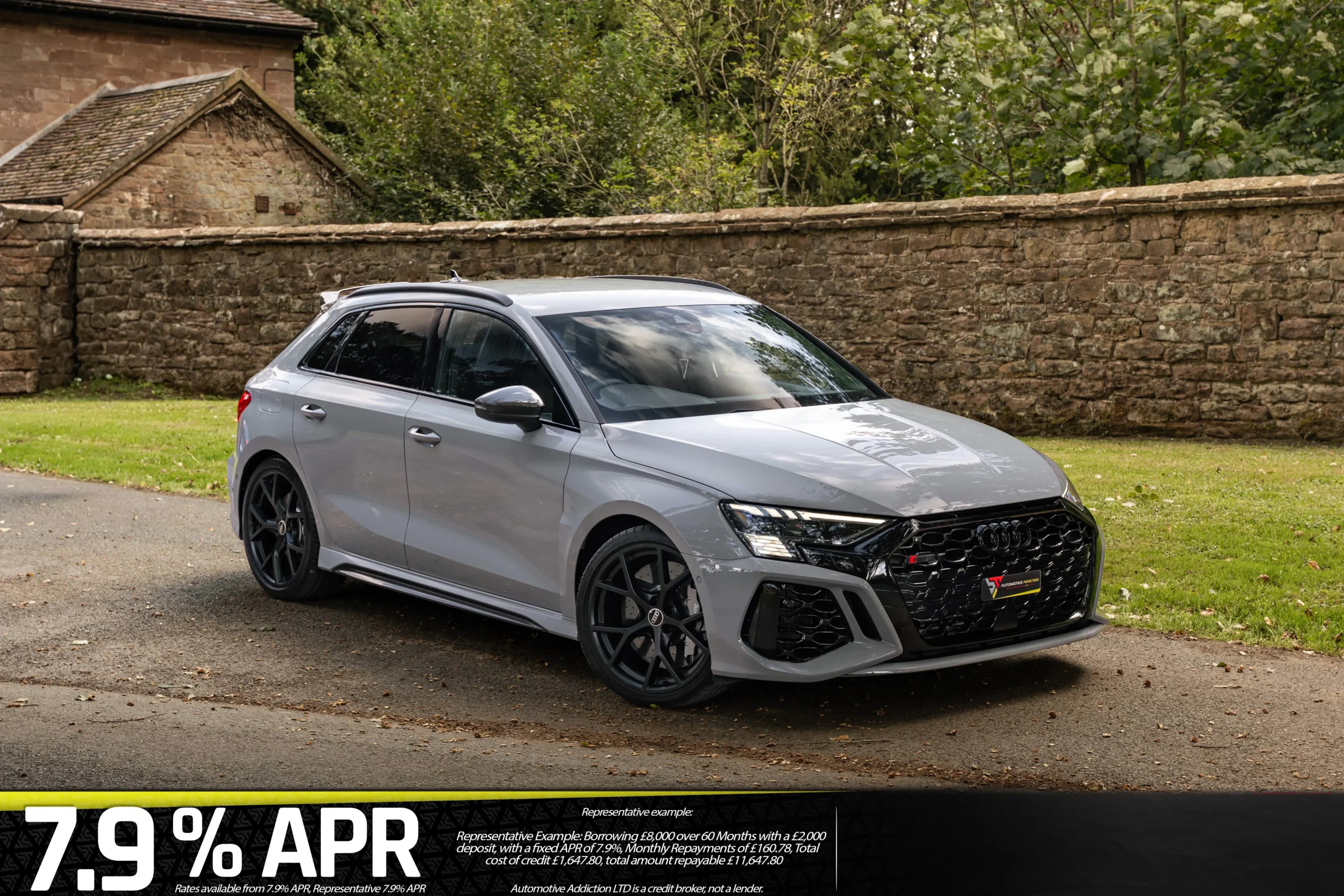
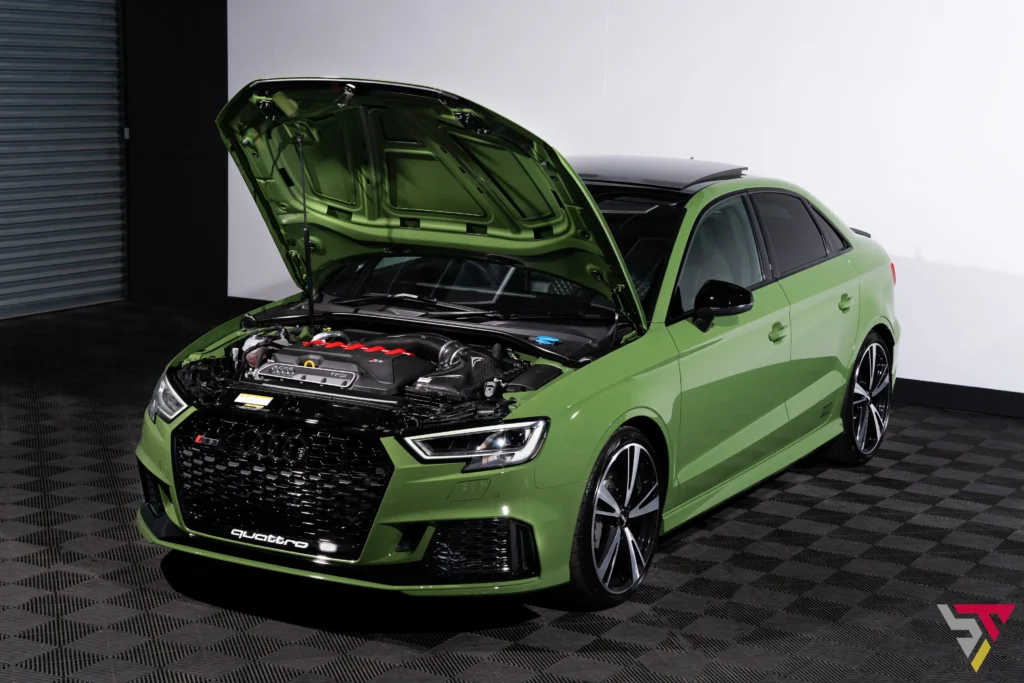
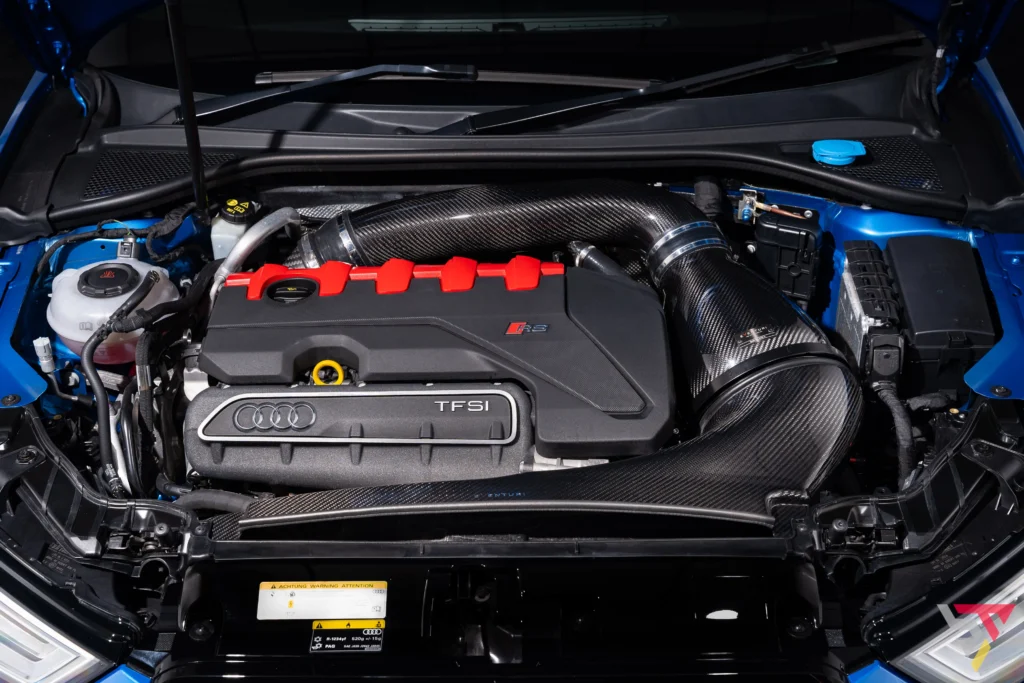
The facelifted RS3, known internally as the 8V.2, arrived in 2017. The new DAZA five-cylinder engine transformed the car. Audi ditched the first generation car’s iron engine block for an aluminium one, shaving around 26kg off the front end. It added dual injection (direct and port – an upgrade designed to reduce carbon build-up on valves), an integrated exhaust manifold, and a new electronic wastegate, making the engine both lighter and far more efficient.
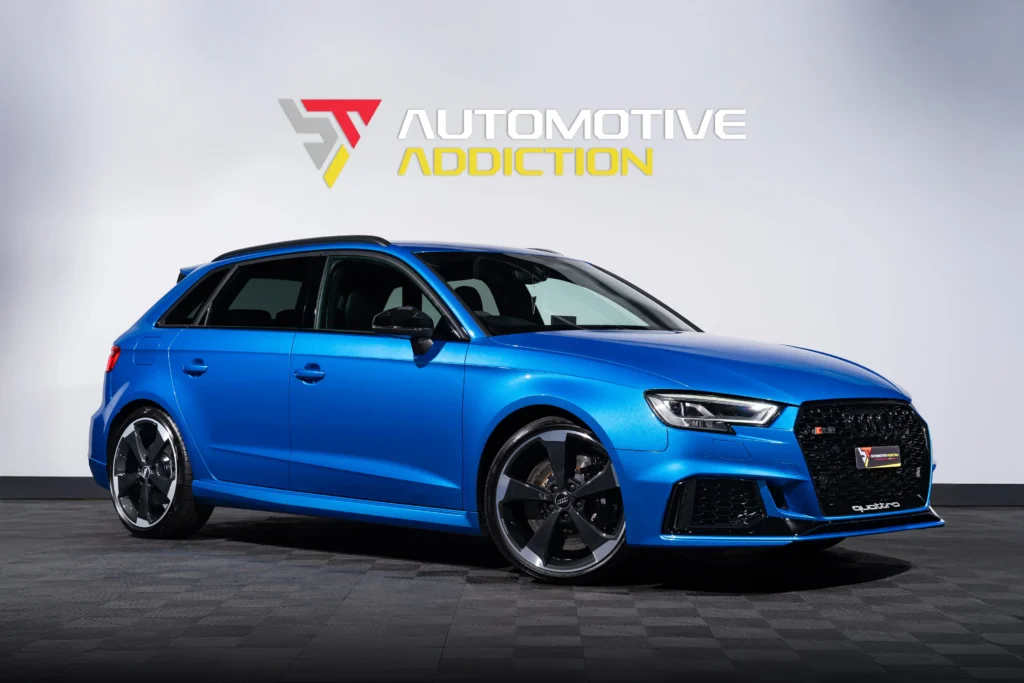
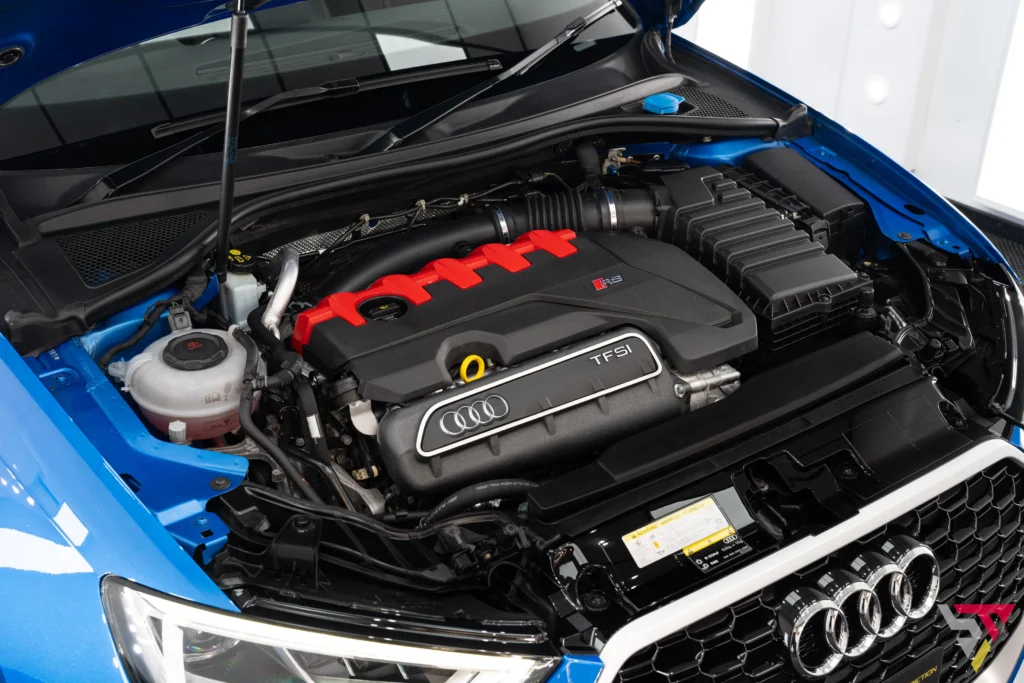
The swap to a larger turbocharger meant power jumped to 400PS, but more importantly, torque came in earlier and harder, and the five-cylinder engine was more responsive everywhere in the rev range. This combination of more power, less weight and a reconfigured Mechatronix software for the Haldex system (which directs more power to the rear) made the 8V.2 feel like a completely different car—sharper, more agile, with improved steering and with a more charismatic exhaust note, especially when paired with the optional RS Sports Exhaust.
For tuners, the DAZA is a dream. A simple Stage 1 map with supporting hardware can push power comfortably past 460–500bhp. Hybrid turbos take it into the 600–700bhp range, and with forged builds and upgraded fueling, 1,000bhp RS3s are now a reality. Add to this its improved reliability and reduced valve carbon build-up (thanks to port injection), and it’s easy to see why the DAZA-equipped RS3 has become the holy grail among buyers.
This extra performance potential comes free from added issues with the DAZA only really suffering from the same common problems as the iron-block cars, namely sticking injectors and noisy transfer box and differential bearings.
The OPF Era (2019–2020): DNWA and the GPF Effect
In 2019, stricter emissions rules forced Audi to add a gasoline particulate filter (GPF/OPF) to the RS3. These late facelift cars, often coded DNWA, look almost identical to the DAZA but come with a more muted exhaust and slightly different ECU calibration to meet WLTP standards.
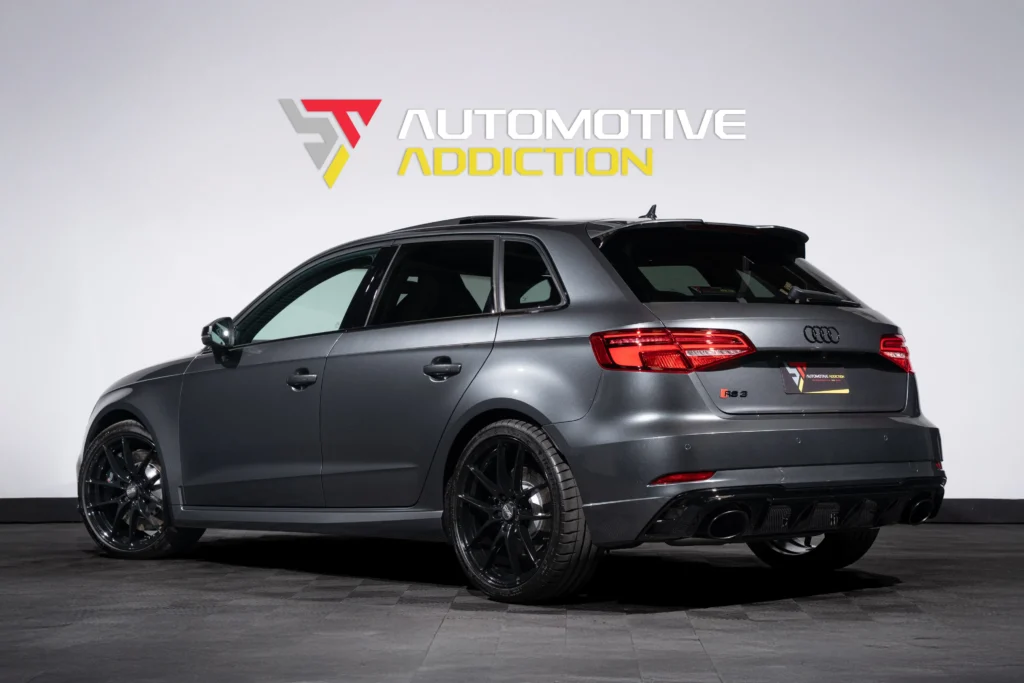
On paper, power remained at 400PS, and performance was unchanged. But to the ears of many enthusiasts, these OPF filter cars lacked the drama of their pre-filtered siblings. The crackles and pops were dialled back, the idle quieter, and the five-cylinder howl less raw.
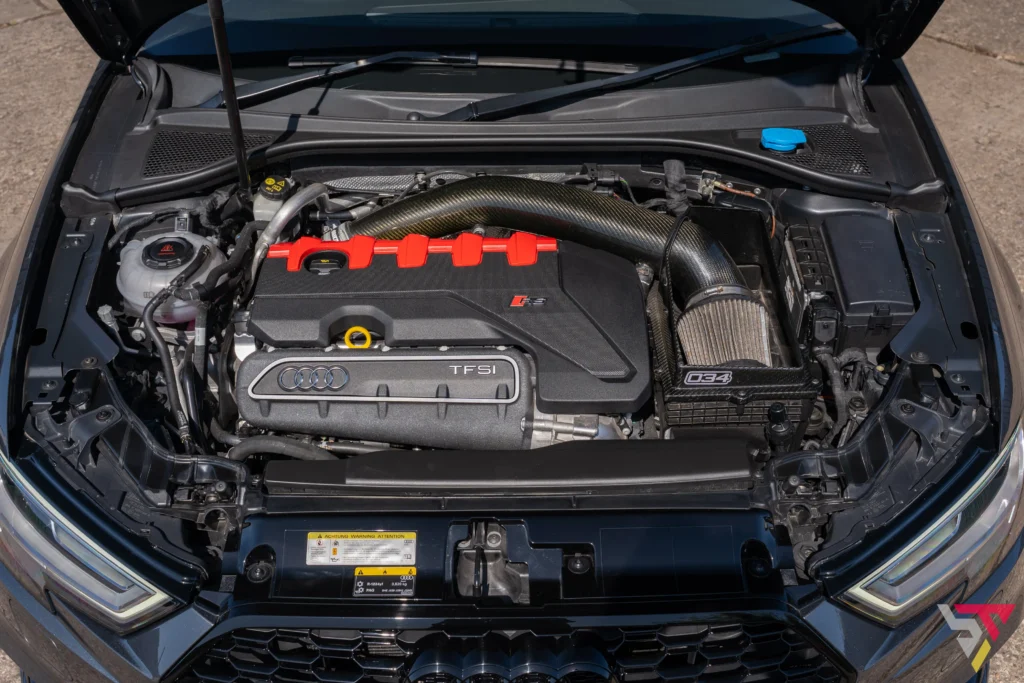
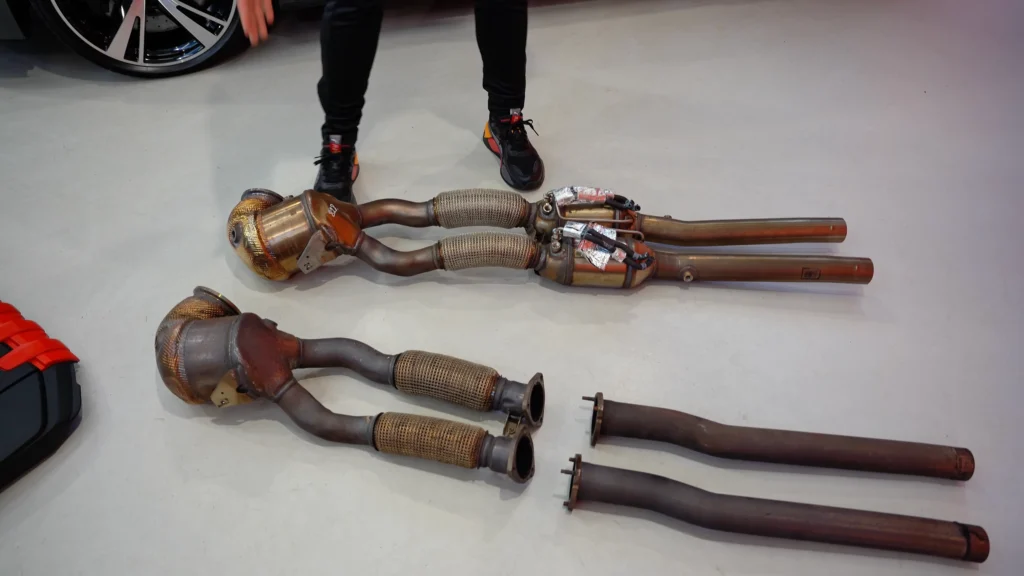
That said, these cars are no less capable. With careful tuning, they can still match DAZA levels of performance – but the exhaust system becomes more complex to modify legally, and OPF filter deletes can lead to MOT headaches in the UK. For those wanting a stealthier, newer RS3 with the same mechanical strength, the OPF cars make a lot of sense – especially the fully-loaded Sport Edition cars – though they’ll always sit in the DAZA’s shadow for sound and tuner-friendliness, meaning prices for equivalent cars can be slightly lower than DAZA examples, even if the DNWA is slightly newer.
Exhaust Character: The RS3’s Soul
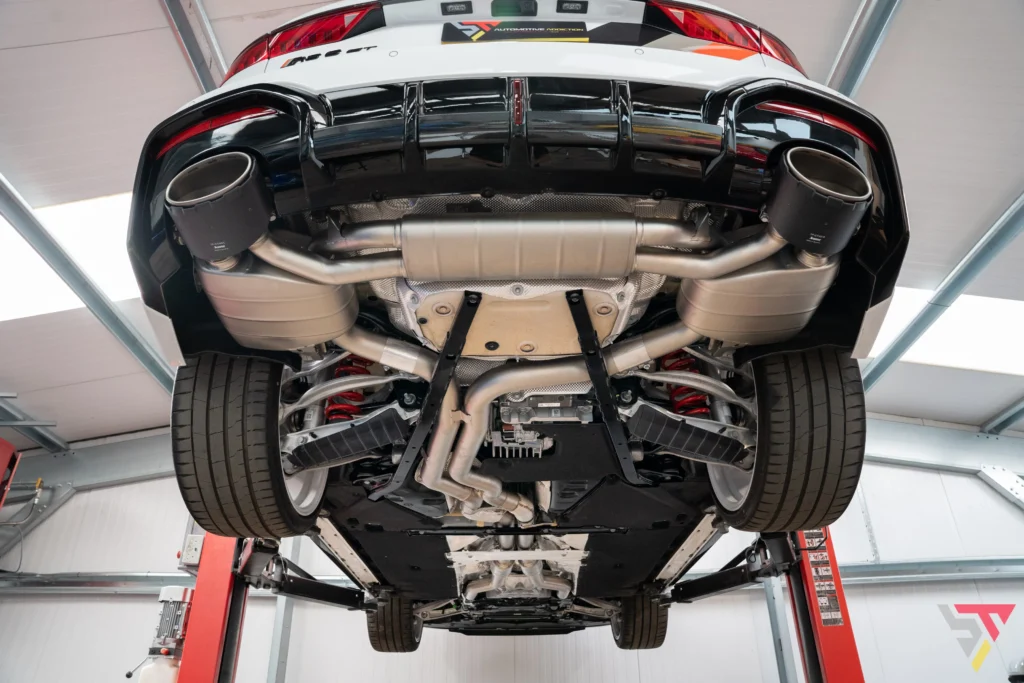
One of the biggest talking points with every RS3 is the exhaust note.
The DAZA facelift is the definitive model to experience that iconic five-pot burble. Loud, rich, and full of overrun theatrics that define the RS3 experience.
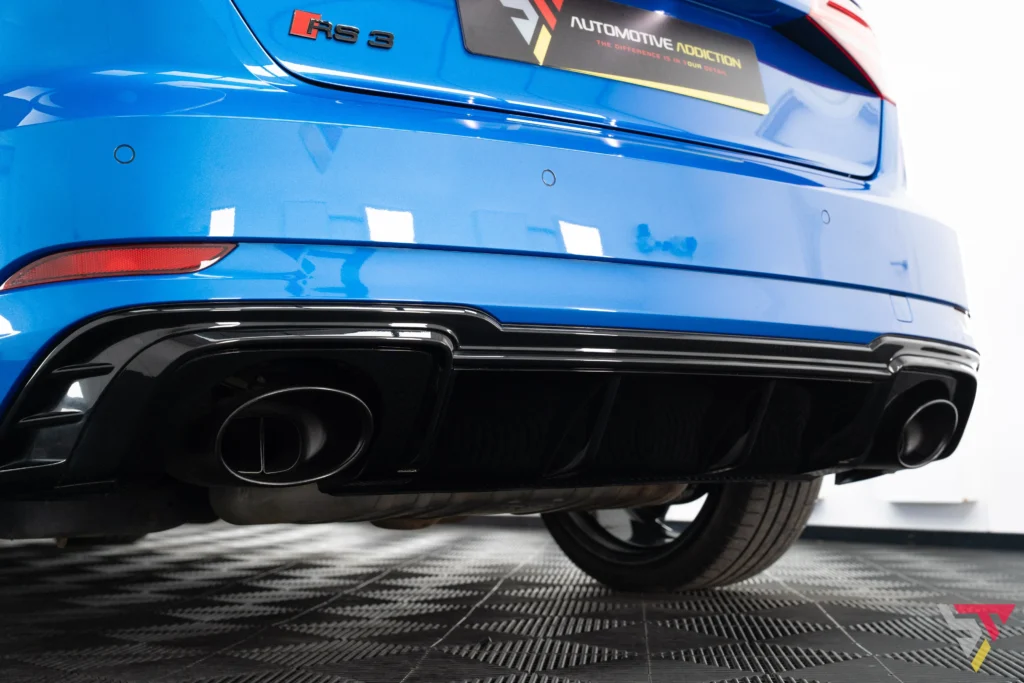
The DNWA cars, with their restrictive OPF filters, dampened it, keeping the five-cylinder character but stripping back the drama.
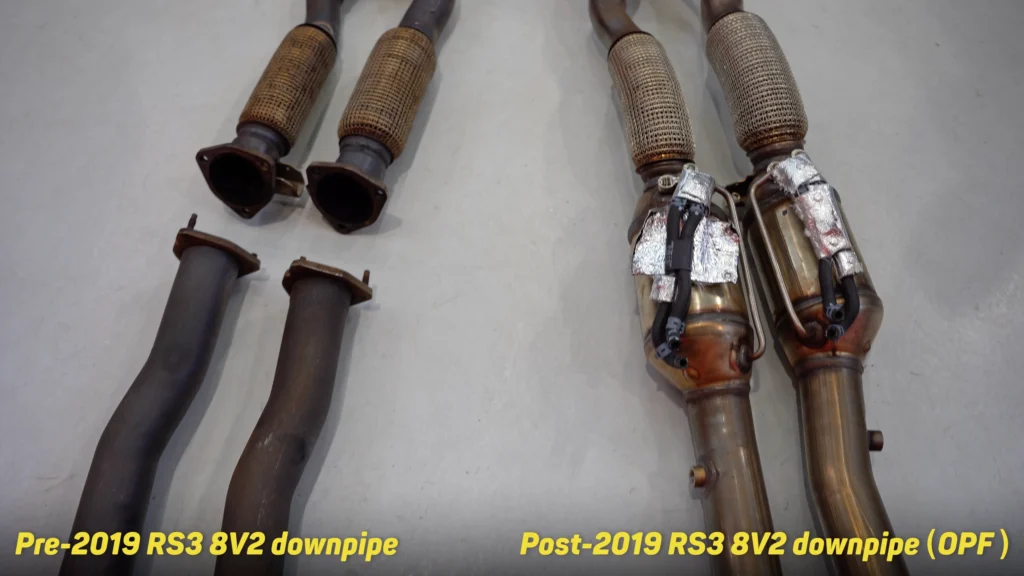
If sound is a priority, the DAZA stands clear as the best of the breed.
Common Issues: What Buyers Should Watch For
While the RS3 is generally robust, there are key checks to make:
- Haldex service (8V): Pumps clog if fluid changes are skipped.
- Gearbox (DQ500): Strong, but must be serviced on schedule.
- Ignition coils/plugs: Misfires under load usually trace back here.
- Cooling system: Older water pumps and thermostats can leak; check for replacements.
- Engine mounts: Torque-heavy tuned cars often chew through them.
Extracting Its Full Potential: Tuning The RS3
DAZA 8V.2: The DAZA lightweight aluminium five-cylinder engine may not be as strong as the iron-block it replaced, but it has great tuning potential due to the larger turbo and increased fuelling allowing power gains to be much easier won. An MRC Tuning Stage 1 tune, combined with a Forge turbo elbow will unleash around 490PS. Stage 2 requires the elbow, plus a front mount intercooler and a downpipe with sports cats but can increase grunt to 530PS. Above this is stage 3 where things get serious. Joining the mods above would be a TT700 turbo, 980cc injectors, and additional supporting mods, but you can comfortably expect between 570-600bhp+
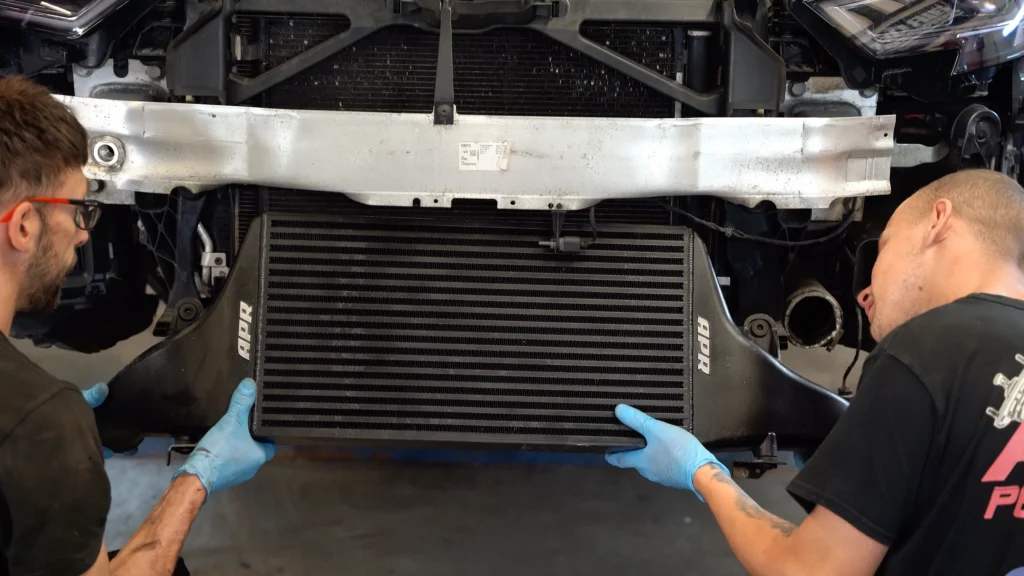
DWNA 8V.2: The OPF filters in the DWNA cars mean power is slightly restricted, with a Forge turbo elbow and Stage 1 remap only making 460PS. But add a downpipe with secondary cat delete and you’re looking nearer 490PS. Once you get past this point, the potential power output becomes very similar to DAZA cars when tuned.
So, Which RS3 Should You Buy?
It depends on your priorities.
Best base for tuning: The 8V.2 DAZA. Light, strong, charismatic, and huge tuning potential. The one enthusiasts fight over.
Best balance of newness and subtlety: The OPF 8V.2. Same punch, quieter manners, newer build dates.
Whichever you choose, the RS3 remains one of the most complete performance cars on sale—a supercar heart in a practical, everyday body. Few cars blend speed, usability, and heritage as well as this Audi.
Find Your RS3 at Automotive Addiction
At Automotive Addiction, we specialise in sourcing, preparing, and presenting the very best examples of the Audi RS3 across all generations – including the highly sought-after DAZA 8V.2 and the latest 8Y models. Every car is handpicked, painstakingly inspected, fully detailed in our in-house studio, and presented to the highest standard.
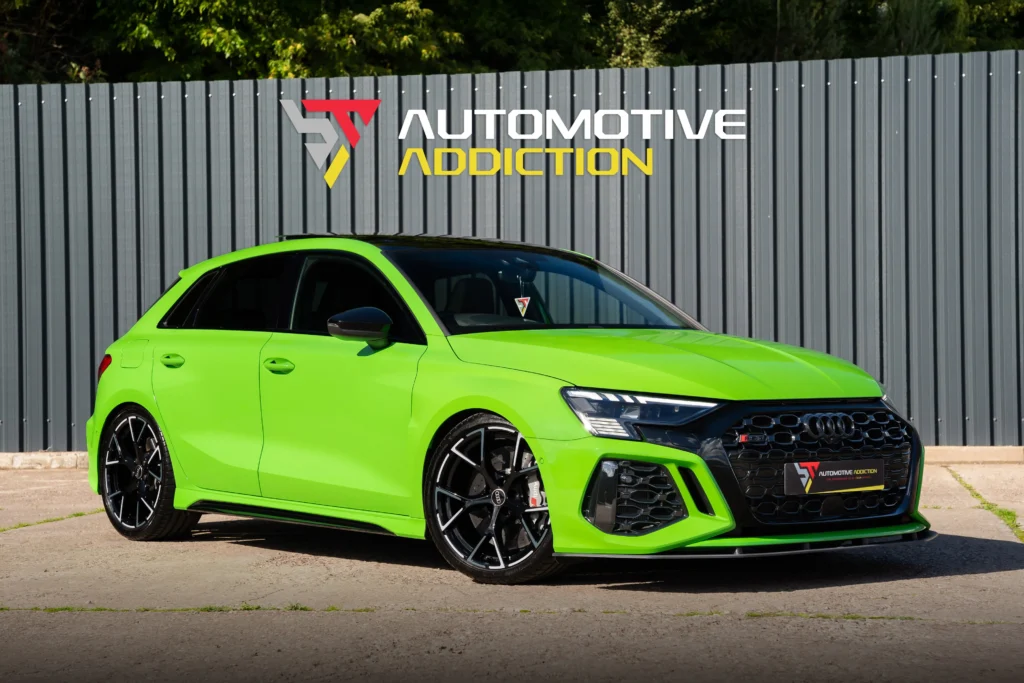
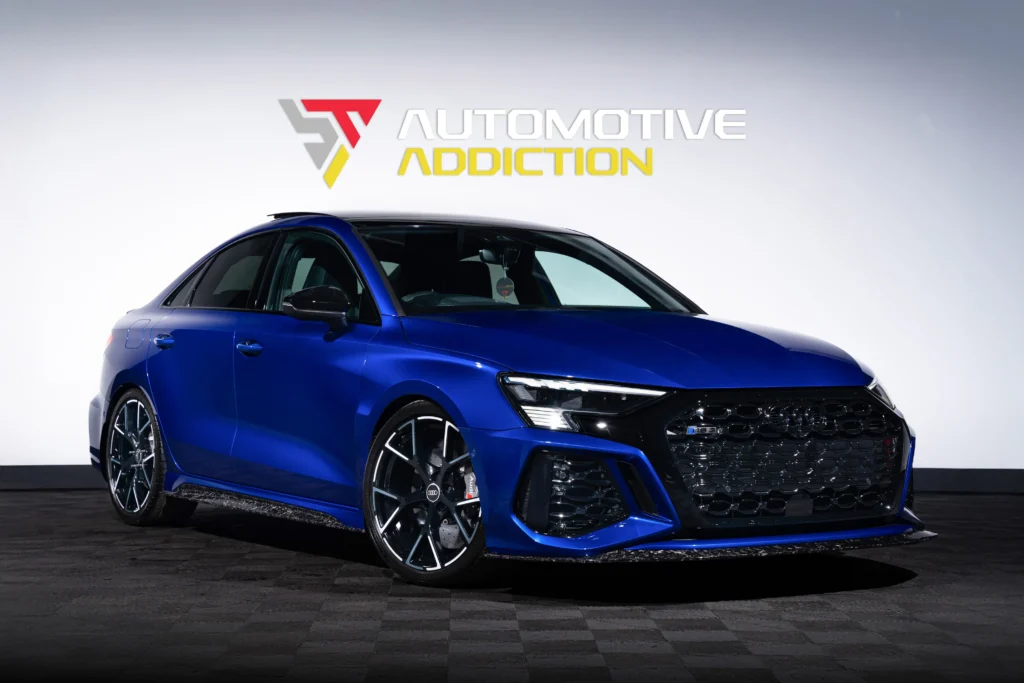
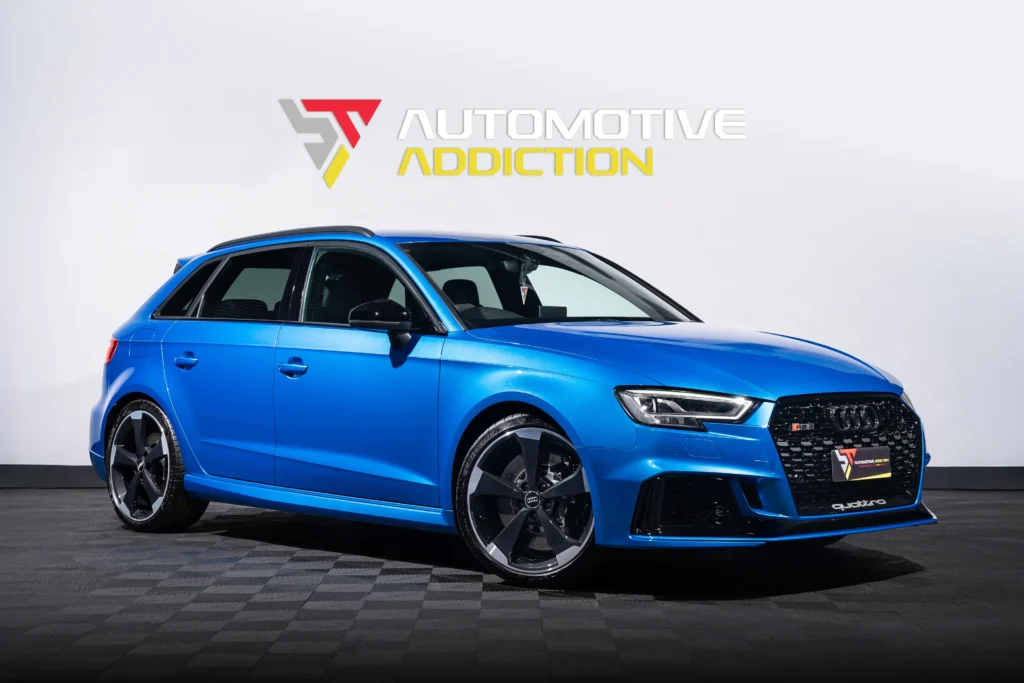
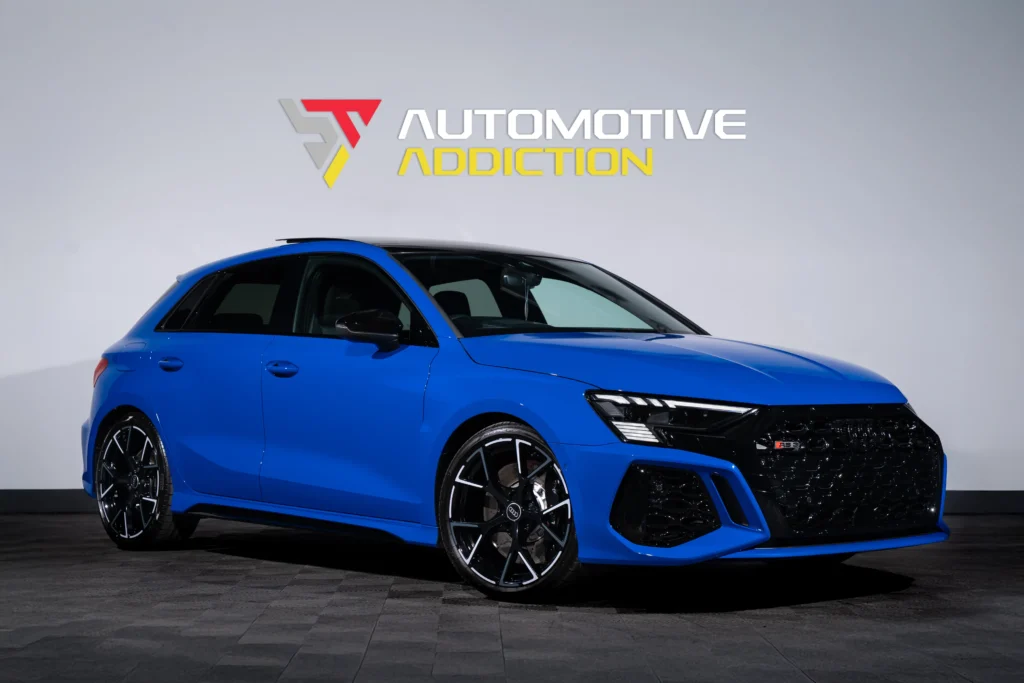
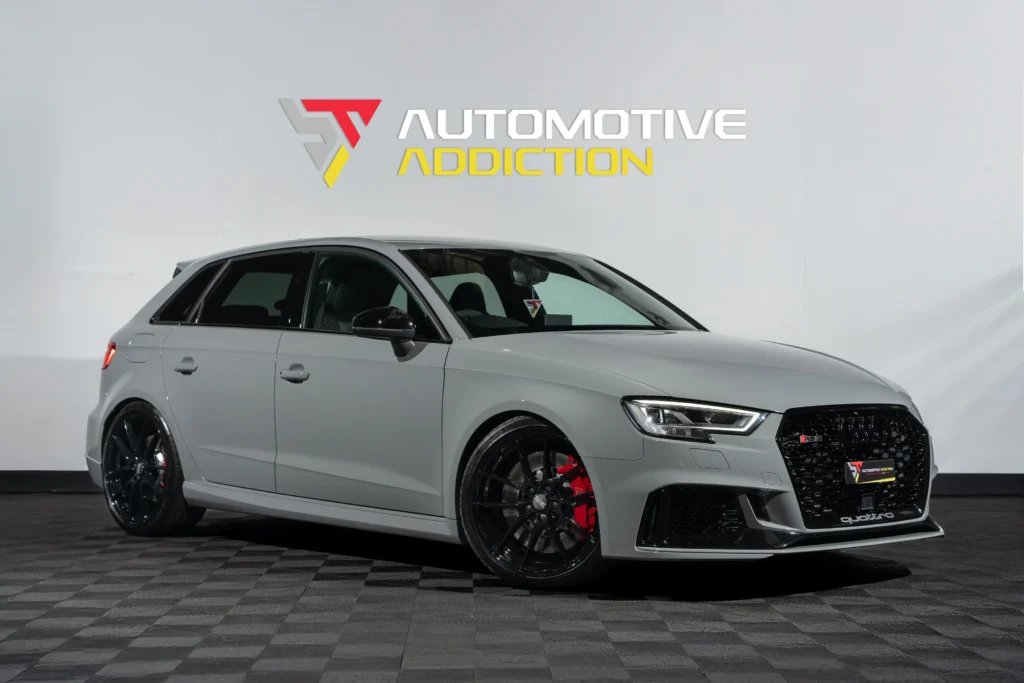
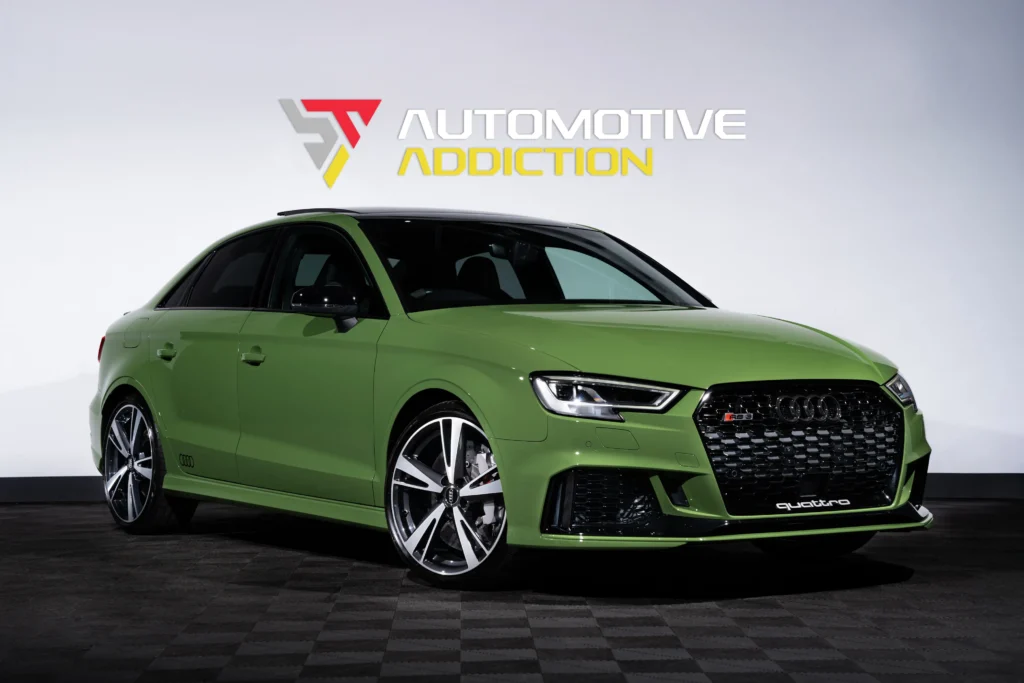
If you’re ready to experience the furious five-cylinder performance and exhaust note that the RS3 is renowned for, browse our current RS3 stock here or call our team to discuss securing your car with a deposit. Your perfect hot hatch is waiting!
We Want Your Audi RS3!
If you’ve got an awesome RS3 that you’re thinking of selling, then we want to know about it. We’re always looking for meticulously maintained RS3 models to bolster our sales stock and will pay top money for pristine examples that can make the grade. If you have something you think we may consider, please get in touch or click here to fill out our online form.