

A Turning Point for the Car Industry
In March 2023, the European Union formally confirmed its decision to ban the sale of new petrol and diesel cars by 2035. For those in the automotive world—manufacturers, dealerships, and drivers alike—this isn’t just a policy update. It’s a seismic shift that marks the most significant transformation in modern motoring history.
At Automotive Addiction, where we specialise in high-performance and enthusiast-driven vehicles, we’ve been closely watching this evolution. While traditional combustion engines still have a strong following, there’s no denying the road ahead is electric—and we’re ready for it. This blog explores everything you need to know about the 2035 EU car ban, how it will reshape the automotive industry, and what it means for both petrolheads and eco-conscious consumers.
What Exactly Is the 2035 EU Car Ban?
The European Union’s 2035 regulation mandates that all new passenger cars and light commercial vehicles sold in the EU must produce zero tailpipe emissions. That means no new vehicles powered solely by petrol or diesel will be allowed for sale. Hybrids, plug-in hybrids, and synthetic fuel-powered cars are still under discussion, but as of now, only fully electric vehicles (EVs) or hydrogen-powered cars meet the criteria.
The aim is clear: help the EU reach carbon neutrality by 2050, as outlined in the European Green Deal. Transport is currently responsible for around 25% of EU greenhouse gas emissions, and this legislation seeks to eliminate the largest contributors—internal combustion engine (ICE) vehicles.
What Vehicles Will Be Affected?
- Banned: New petrol, diesel, and hybrid vehicles (from 2035).
- Still Allowed: Used ICE vehicles can still be sold and driven post-2035.
- Exemptions: Small-scale or specialist manufacturers (under 10,000 cars/year) may be granted longer timelines.
This means brands like Porsche, Ferrari, and even low-volume tuners could still offer combustion-based cars—but only under strict guidelines and for limited periods.
The Manufacturer Response
Let’s take a look at how some of the biggest automotive brands are reacting and preparing:
Audi
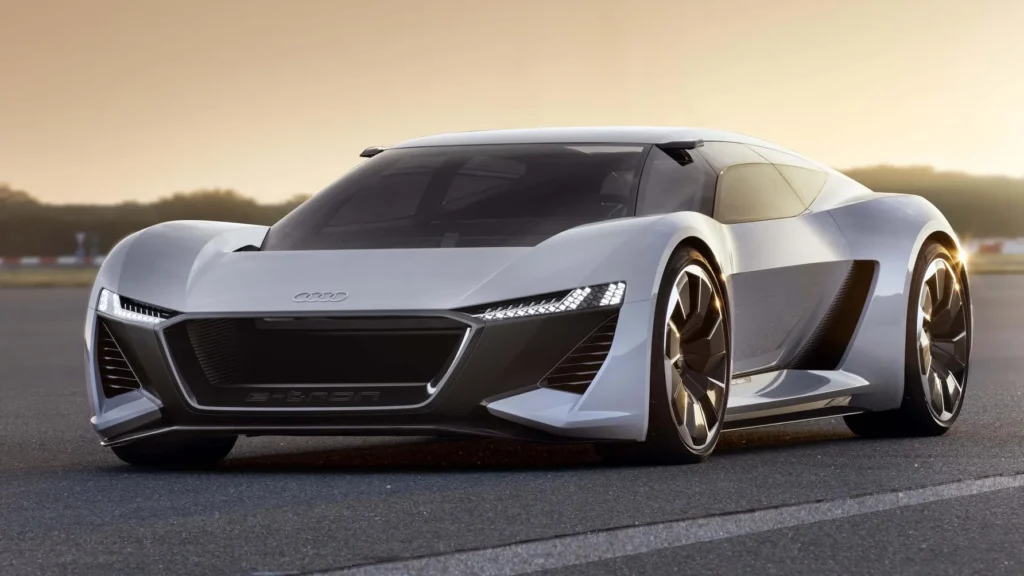
Audi has already committed to making all new models electric by 2026, with a complete phase-out of combustion models by 2033. The next-generation Audi R8 is confirmed to be a hybrid, reflecting Audi’s transitional strategy between ICE and full EVs.

BMW
BMW is betting big on electrification with its ‘Neue Klasse’ platform launching in 2025. The brand has announced 50% of sales will be EVs by 2030. BMW is also investing in sustainable battery production and recycling programs.

Mercedes-Benz
With their ‘Ambition 2039’ plan, Mercedes aims for a fully carbon-neutral product lineup. Their EQ range (EQE, EQS, etc.) already offers electric luxury options.
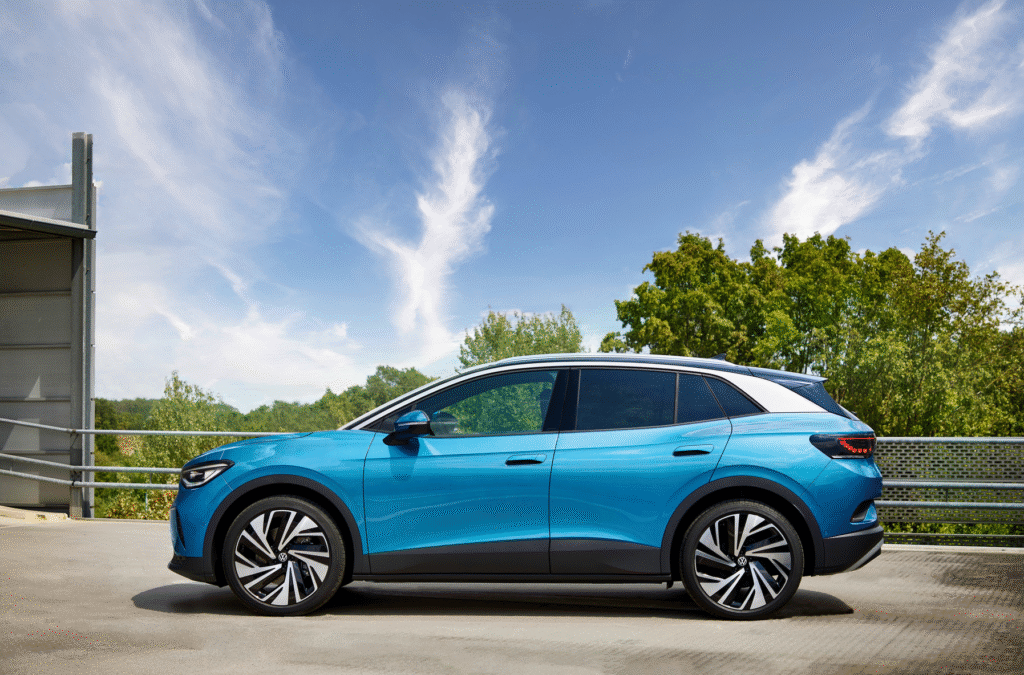
Volkswagen
Volkswagen plans to stop selling ICE cars in Europe by 2033. Their ID-series is leading the charge, including models like the ID.3, ID.4, and ID.7.
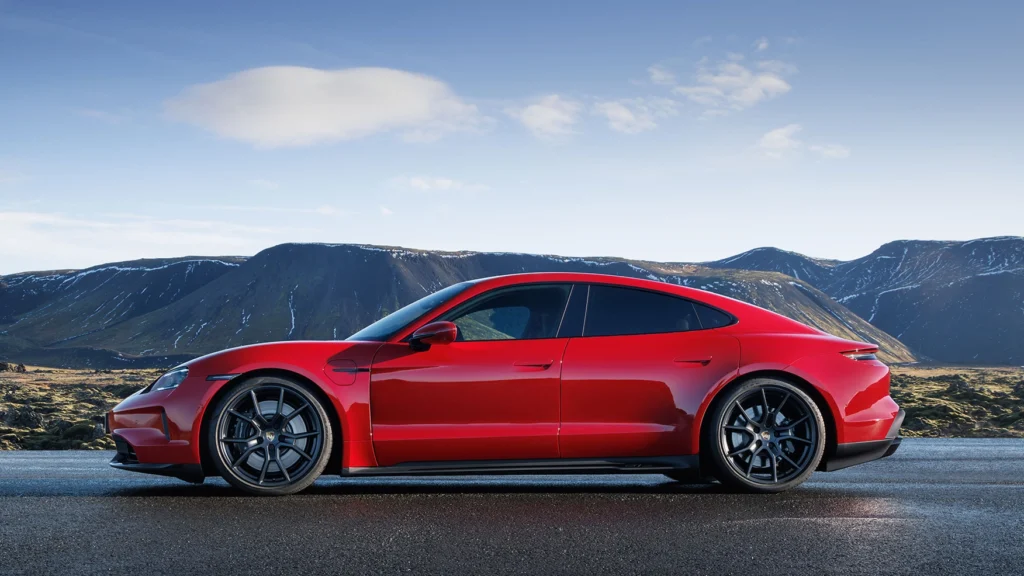
Porsche
Porsche is diversifying by producing synthetic e-fuels alongside EVs like the Taycan and new electric Macan Turbo. The brand hopes this dual strategy will keep combustion cars alive for enthusiasts.
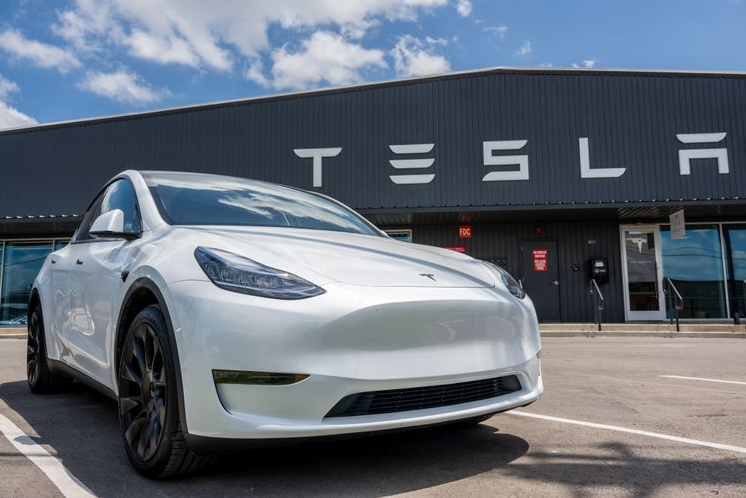
Tesla
Tesla has no combustion legacy to phase out. It remains a frontrunner in EV innovation and infrastructure, setting high benchmarks for range, performance, and tech integration.
The Impact on Dealerships and Car Buyers
For Dealerships
- Inventory Planning: Dealers will need to gradually phase out petrol/diesel stock and increase EV offerings.
- New Training: Sales teams must be educated on battery health, charging infrastructure, and EV tax incentives.
- Aftersales Shift: With fewer moving parts, EVs require less routine maintenance, affecting revenue streams from service departments.
- New Finance Products: Leasing, PCPs, and subscription models may become the norm as consumers become more cautious about battery degradation.
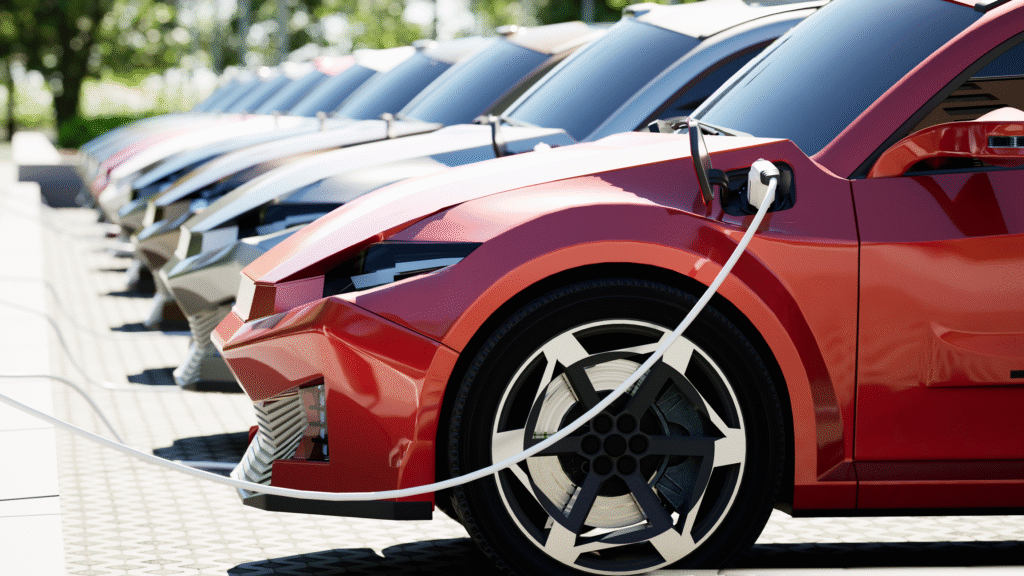
For Car Buyers
- Increased EV Availability: More choices at every price point—from affordable hatchbacks to high-end electric performance cars.
- Lower Running Costs: EVs are cheaper to run, tax, and maintain.
- Government Incentives: Many EU countries offer grants, subsidies, and tax exemptions for EV buyers.
- Infrastructure Concerns: Charging station availability and energy pricing still pose challenges.
What About Performance Cars and Enthusiasts?
The future for high-performance combustion cars isn’t entirely bleak:

- Synthetic Fuels: Brands like Porsche and Lamborghini are investing in e-fuels to offer carbon-neutral combustion driving.
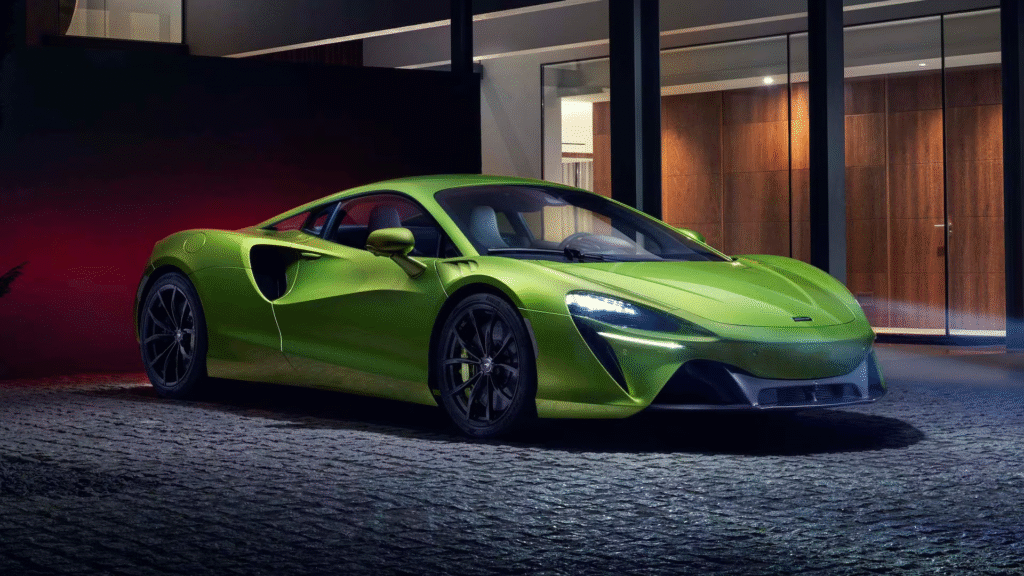
- Hybrid Supercars: Expect more hybrid hypercars like the Ferrari 296 GTB and McLaren Artura, blending ICE drama with electric efficiency.
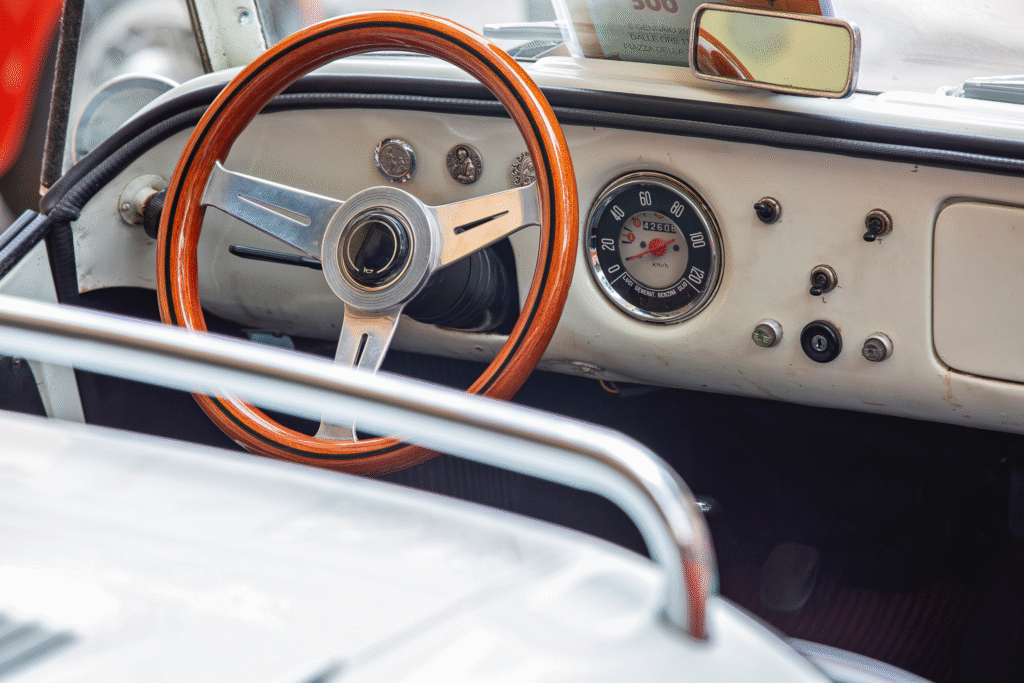
- Classic Car Support: Legislation still allows ICE vehicles already on the road to continue being sold and driven.
At Automotive Addiction, we anticipate a market boom for ‘modern classics’ and limited-run performance cars in the lead-up to 2035.
Infrastructure and Supply Chain Considerations
To meet 2035 targets, Europe must scale up:
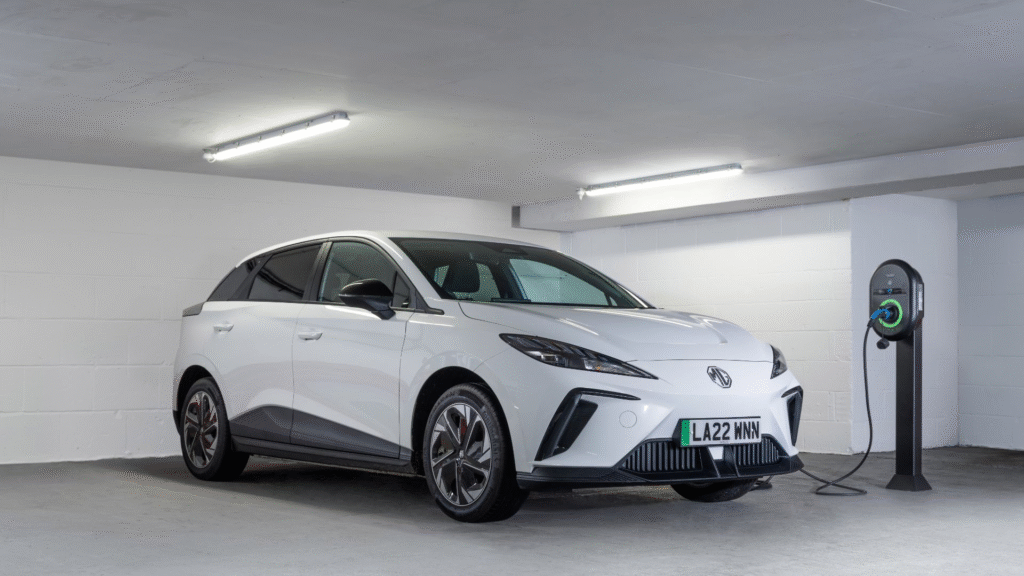
- EV Charging Infrastructure: Massive investment is required to meet demand.
- Battery Recycling: Manufacturers must develop closed-loop battery supply chains to reduce raw material dependency.
- Green Energy Production: EVs only make sense if powered by renewable sources.
The UK and Global Comparison
The UK has set a slightly different timeline:
- 2030: Ban on the sale of new petrol and diesel cars.
- 2035: Ban on hybrids.
This makes the UK more aggressive than the EU, though implementation details are still evolving. Other regions like California, Canada, and Japan are also pursuing similar bans.
Key Takeaways for 2024–2035
- Plan your inventory: Whether you’re a dealer or enthusiast, strategic buying decisions now will pay off later.
- Embrace EV education: Knowledge about EVs, hybrids, and e-fuels will set you apart.
- Watch the luxury segment: Premium marques are innovating faster than ever—new hybrid and EV supercars are incoming.
- Future-proof your passion: If you love combustion cars, keep an eye on synthetics and classic car exemptions.
Change Is Inevitable — Be Ahead of It
The 2035 EU petrol and diesel car ban isn’t a threat to car culture—it’s a challenge to adapt and evolve. At Automotive Addiction, we’re embracing this shift while preserving the soul of driving passion. From electrified performance models to collector-grade combustion cars, we’ll help guide you into a more sustainable, exciting future.
Whether you’re looking to purchase your last ICE car or your first EV, we’re here to offer expert advice and a carefully curated selection. The future of driving starts now—are you ready to make the switch?
Want to know more about EVs, hybrids, or modern classics before the 2035 car ban? Contact the team at Automotive Addiction today.