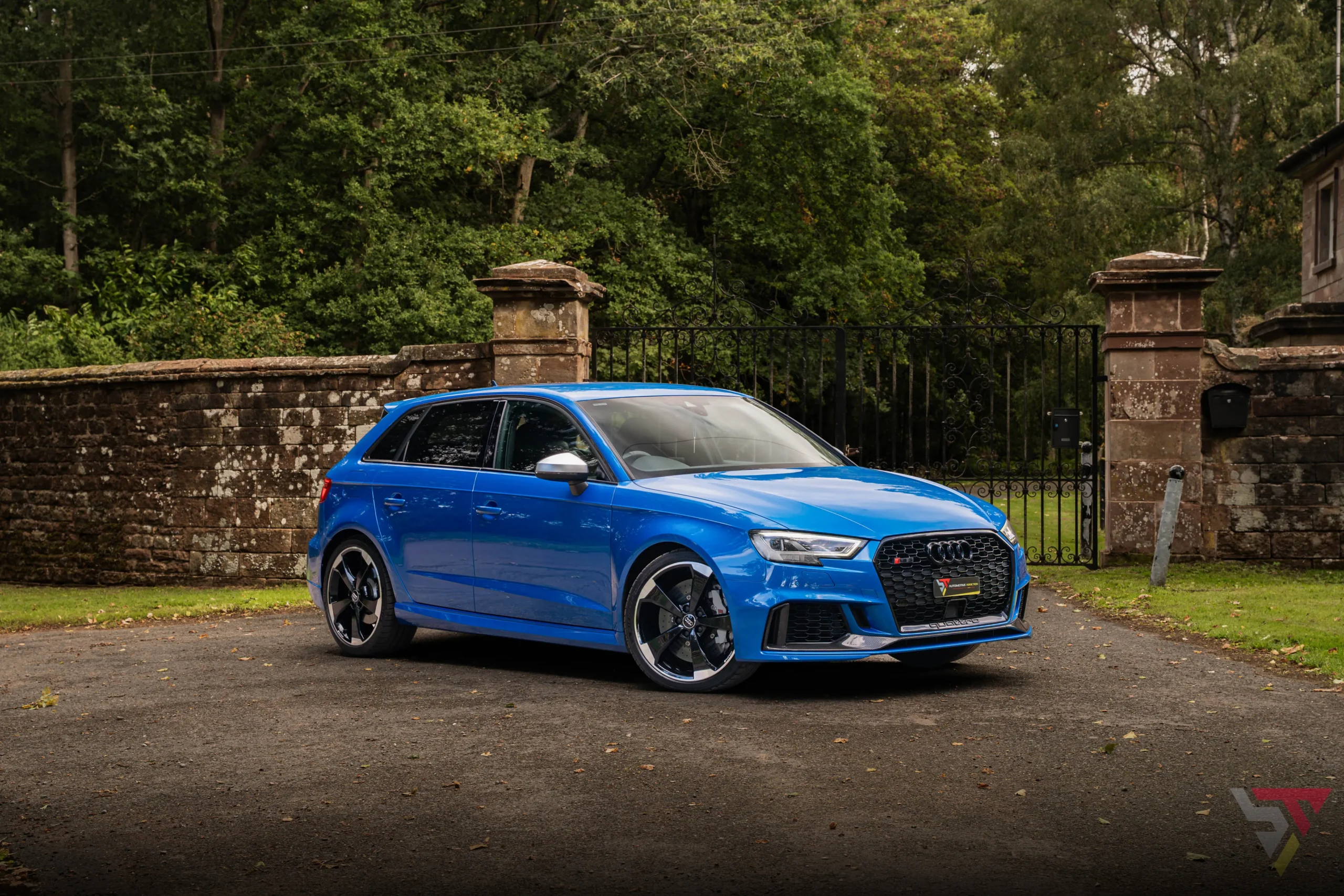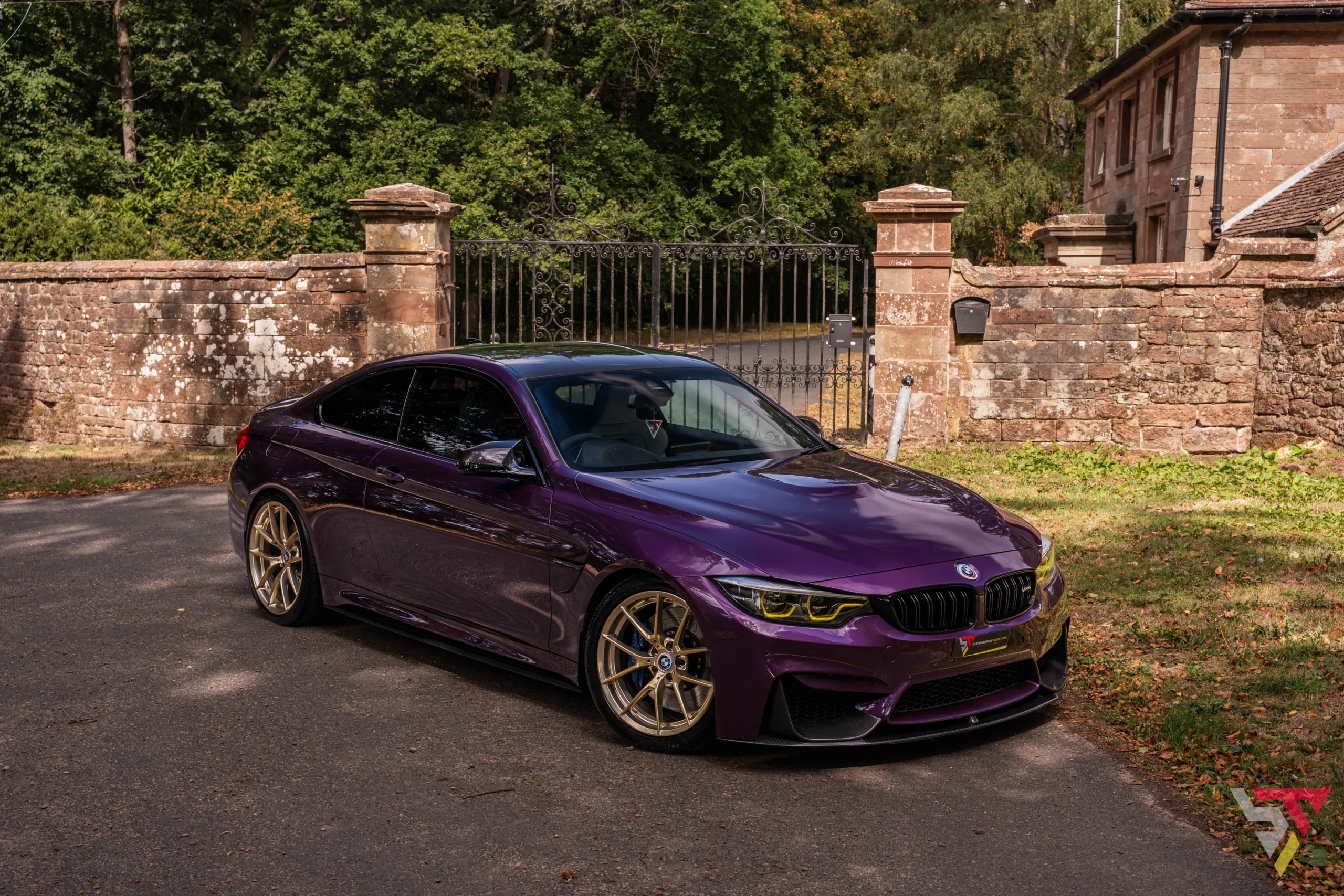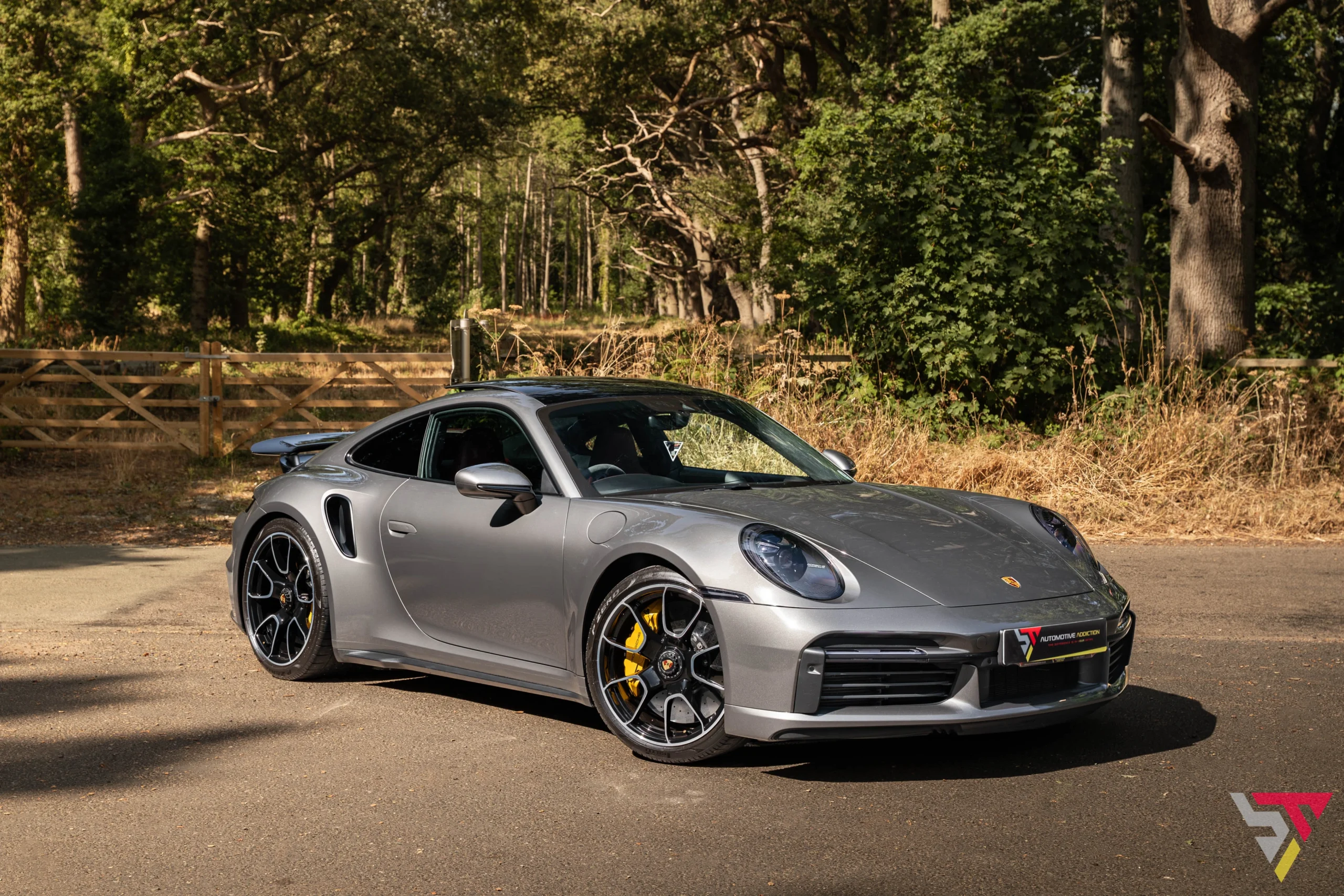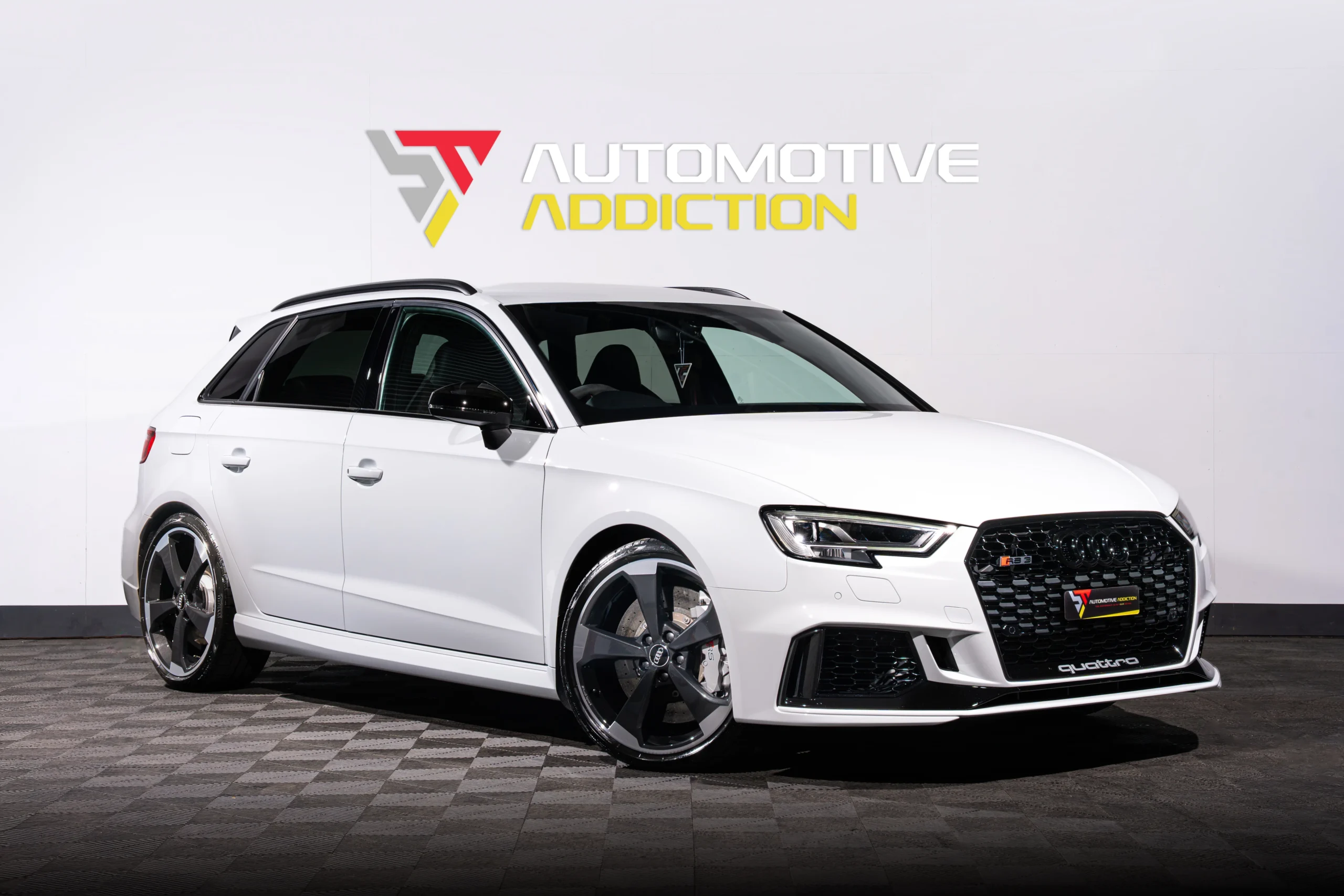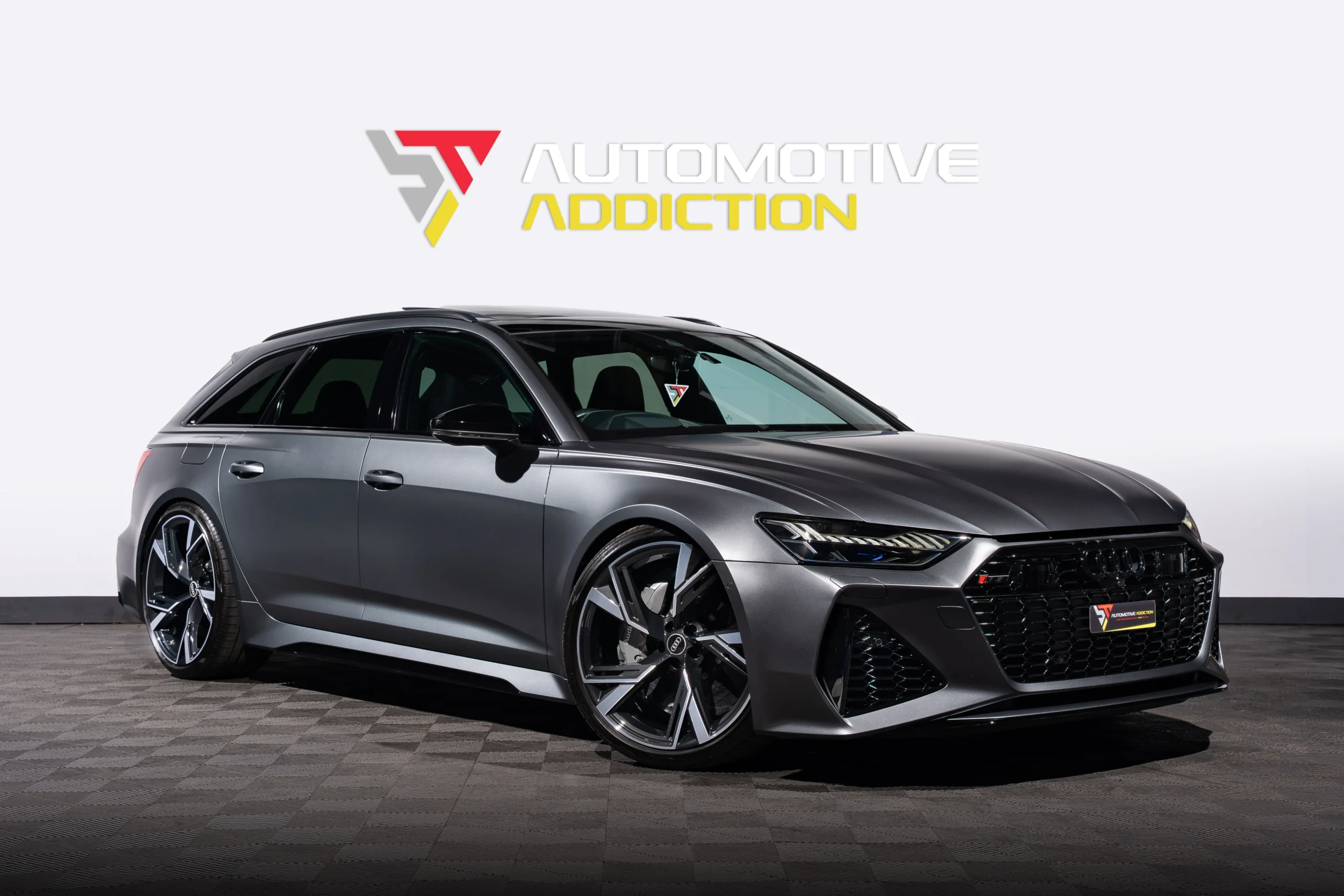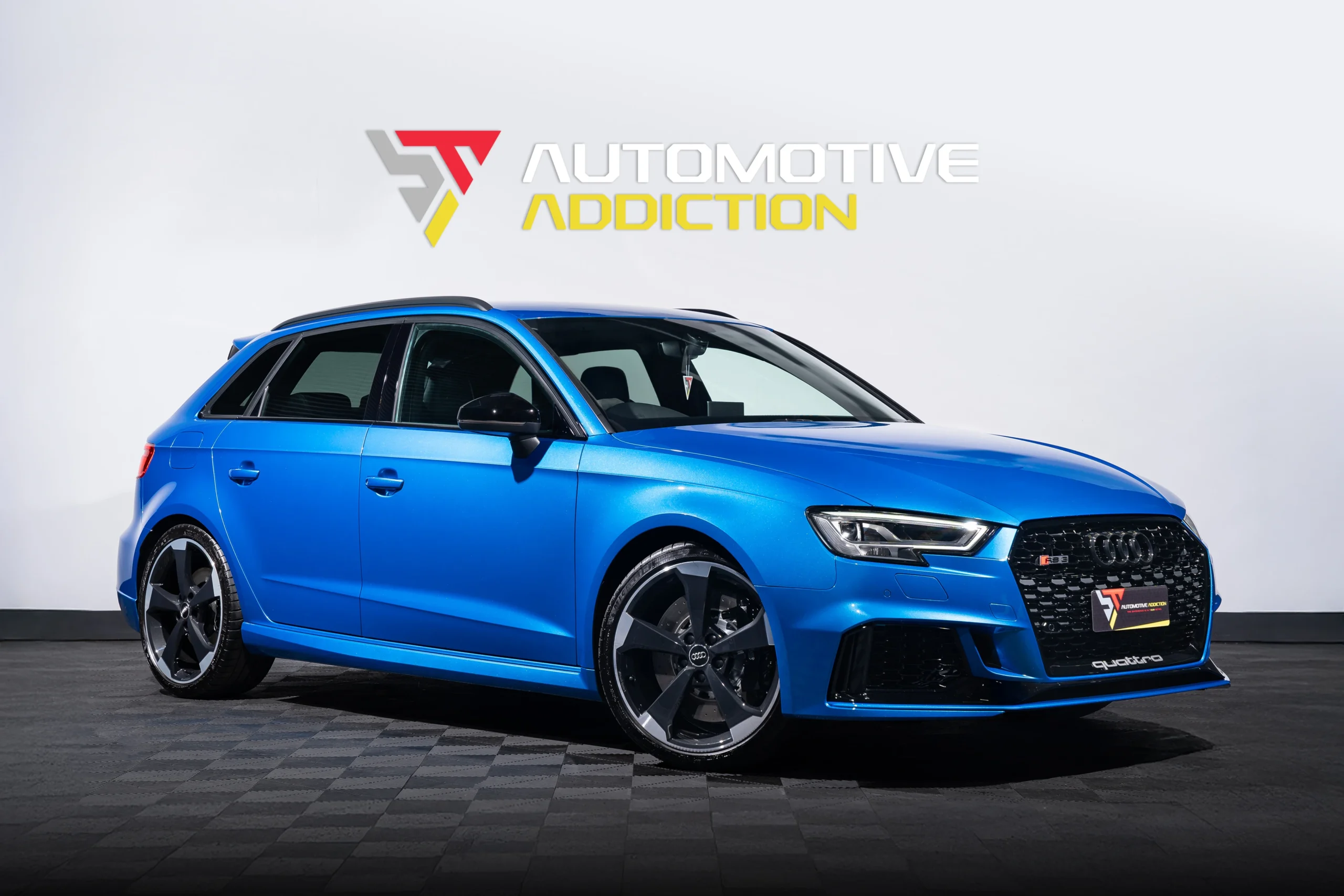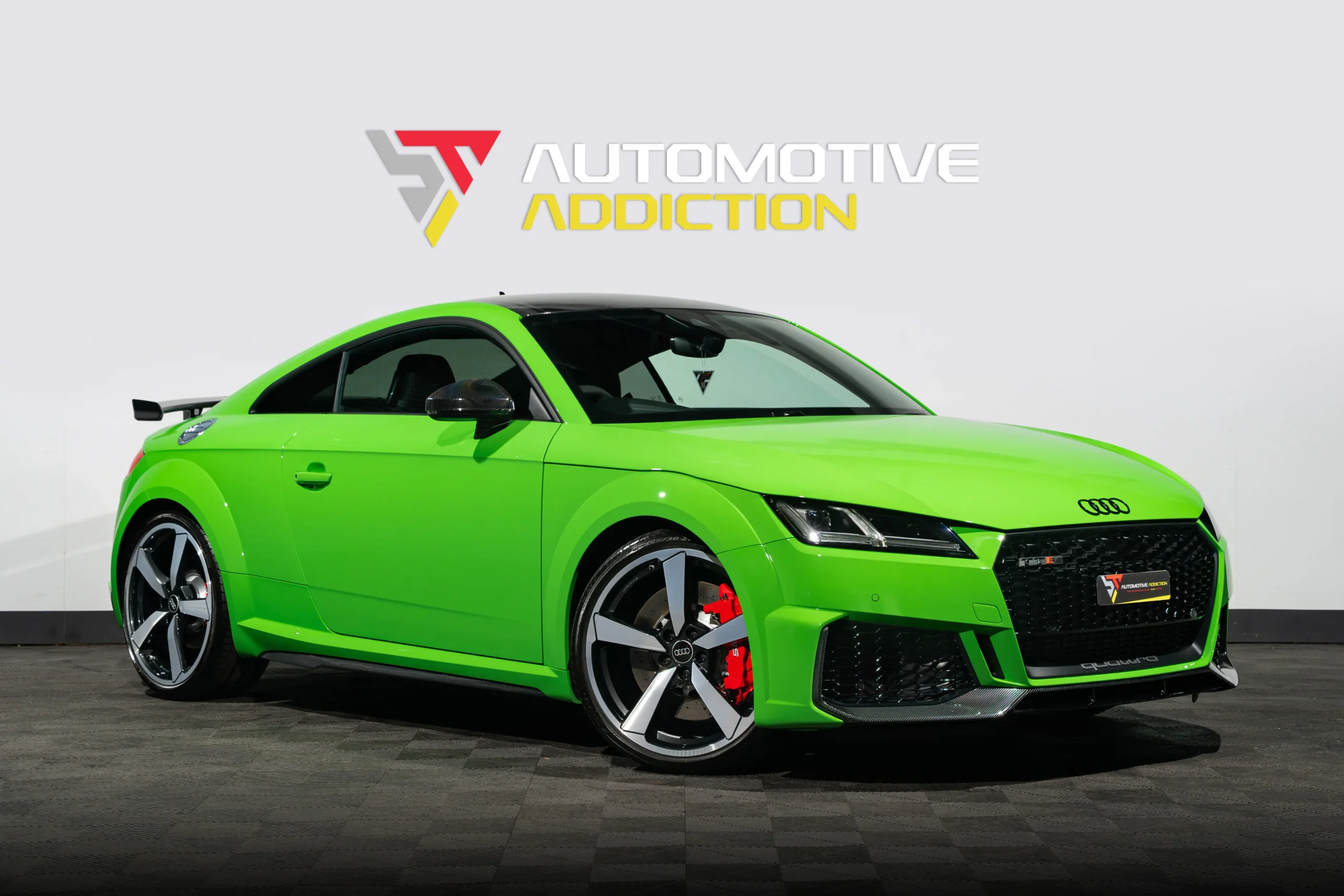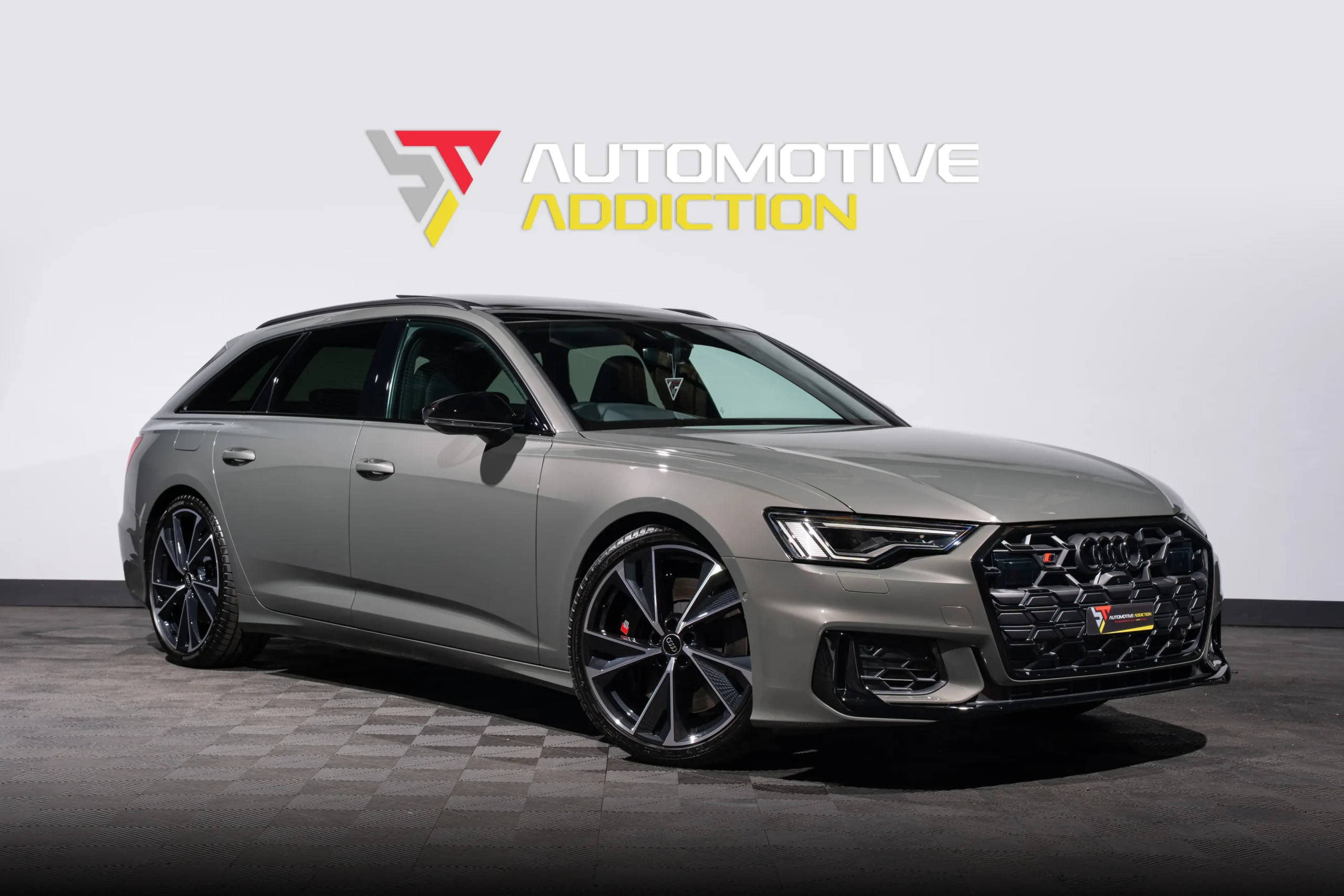
When it comes to performance cars, the spotlight has long been on supercars and exotic machines — the kind of poster cars most enthusiasts could only dream of driving. But over the past four decades, a different breed of performance hero has been quietly rewriting the rulebook. Affordable, practical, yet thrilling to drive, the hot hatch has become one of the most important genres in the automotive world. Today, these cars don’t just represent accessible performance; in some cases, they even rival supercars for pace – but throw in the bonus of everyday usability too!
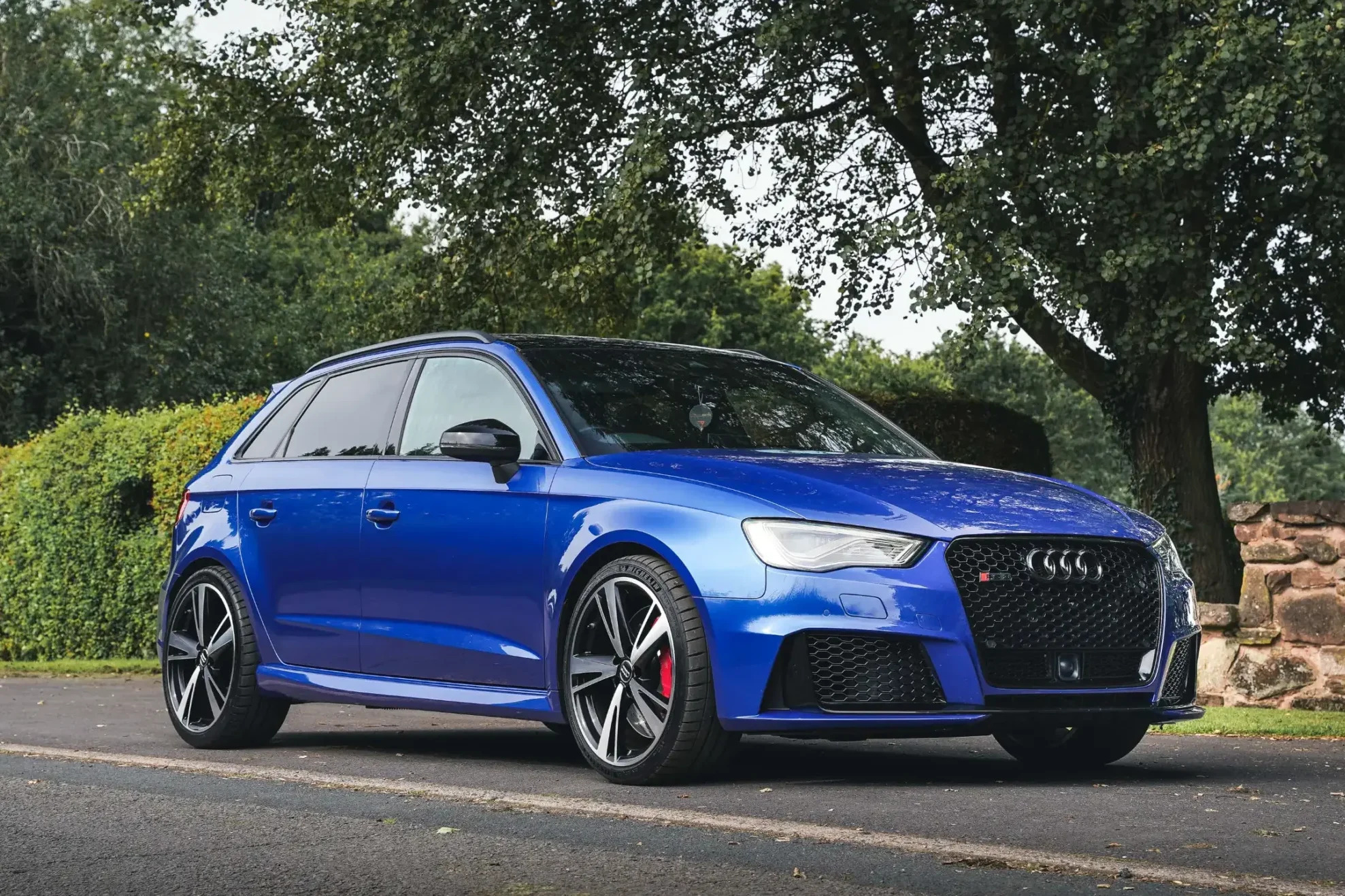
At Automotive Addiction, we’ve specialised in hot hatches since the very beginning and have seen first-hand how demand for these models has exploded, and it’s easy to see why. These cars embody the idea of performance for the people — attainable, exploitable, and usable in ways their more exotic cousins rarely are.
Over the years, we’ve sold hundreds of the most exclusive hot hatch models, from highly modified Audi RS3s, to delivery mileage Focus RSs and ultra limited run Mercedes A45s, all in highly desirable and unique colour schemes and specifications that make these cars as collectible as any high-end supercar.
Where the Hot Hatch Story Began
The hot hatch story starts in the late 1970s, when the idea of a small hatchback with genuine performance credentials first took shape. The most famous pioneer was the Volkswagen Golf GTI Mk1 (1976). A skunkworks project undertaken by a group of passionate VW designers and engineers with a vision for a performance orientated hatchback variant, the GTI was lightweight, practical, and powered by a lively 1.6-litre engine, proving you didn’t need a sports car body shape or a huge budget to enjoy genuine driving thrills.
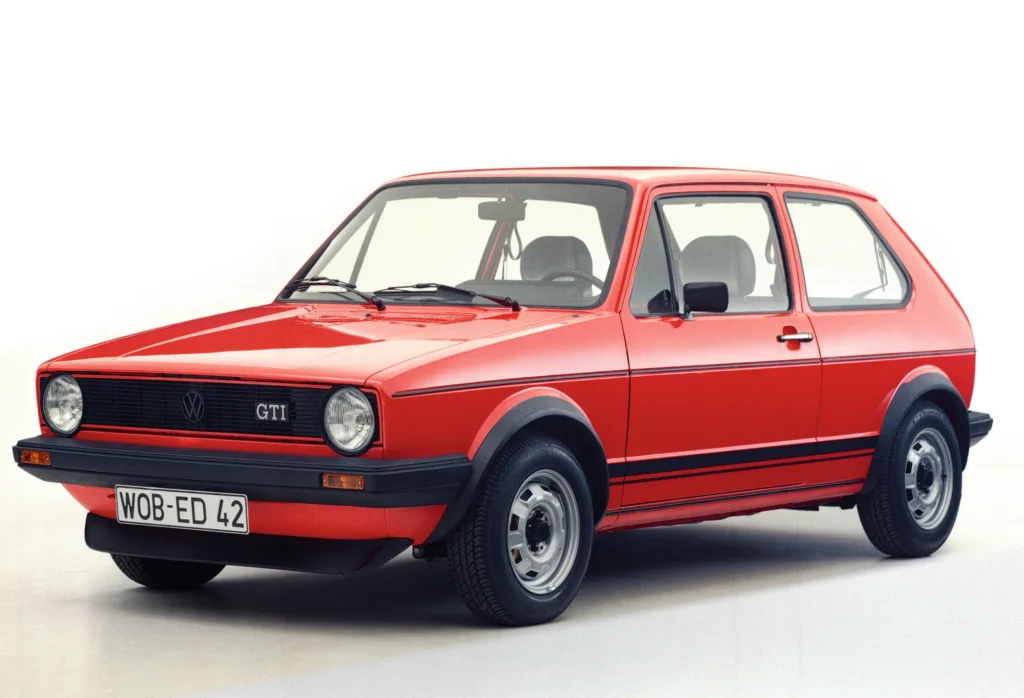
The GTI struck a chord with buyers across Europe. It was understated yet fast, practical yet fun, and crucially, affordable. Soon other manufacturers followed suit: the Peugeot 205 GTI, Ford Escort XR3i, and Renault 5 GT Turbo all carried the torch through the 1980s, cementing the hot hatch as the car of choice for the enthusiastic everyman.
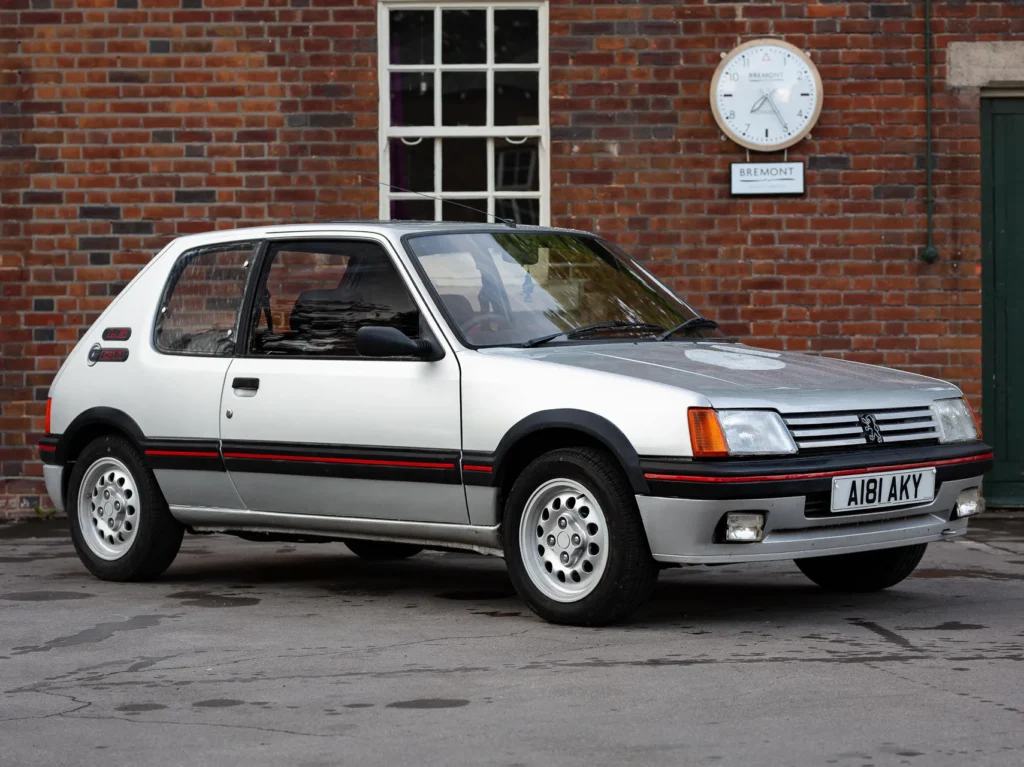
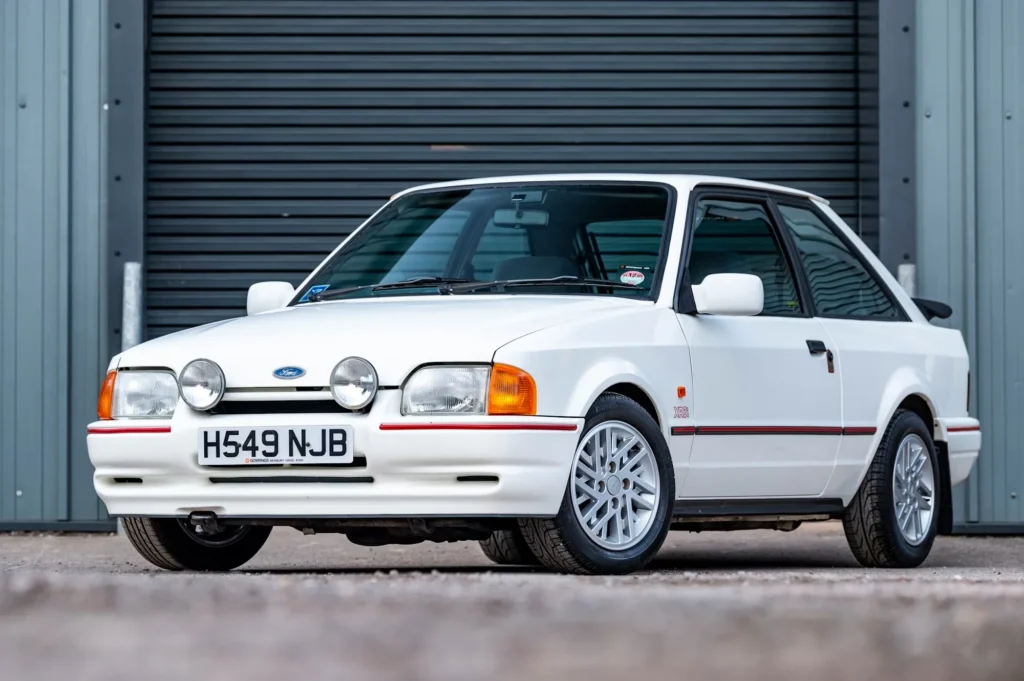
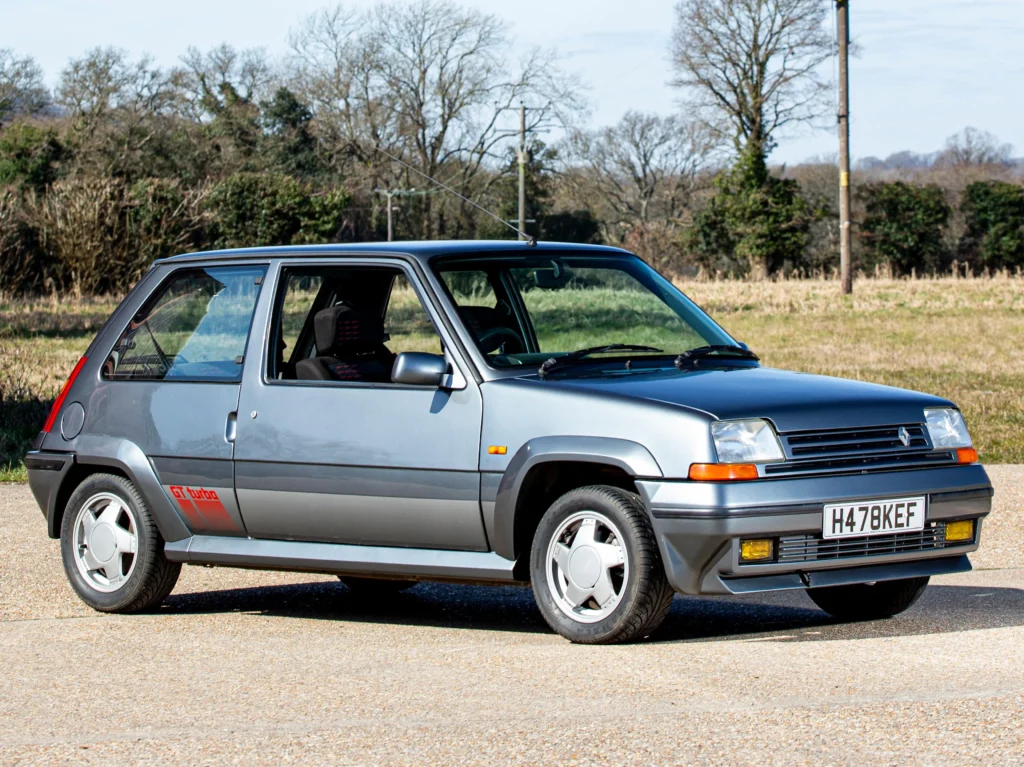
These cars also changed public perception. Before the hot hatch, “fast cars” were often seen as out-of-reach luxuries. With the rise of the hot hatch, anyone could have performance that was usable every day — whether commuting, doing the school run, or taking the long way home down a B-road.
The Evolution of the Hot Hatch
Through the 1990s and early 2000s, hot hatches grew more powerful, safer, and more sophisticated. Models like the Honda Civic Type R, Renault Clio Williams, and Ford Focus RS demonstrated just how broad the formula could be. Some focused on razor-sharp handling and track-day thrills, while others prioritised daily comfort with added punch.
As technology advanced, so did the hot hatch recipe. Turbocharging replaced naturally aspirated engines, giving small cars huge performance gains without sacrificing efficiency. Electronic driver aids, adaptive suspension, and dual-clutch gearboxes also became commonplace, turning the humble hot hatch into a platform capable of serious performance.
And yet, despite the added technology, the ethos remained the same: accessible excitement for real drivers.
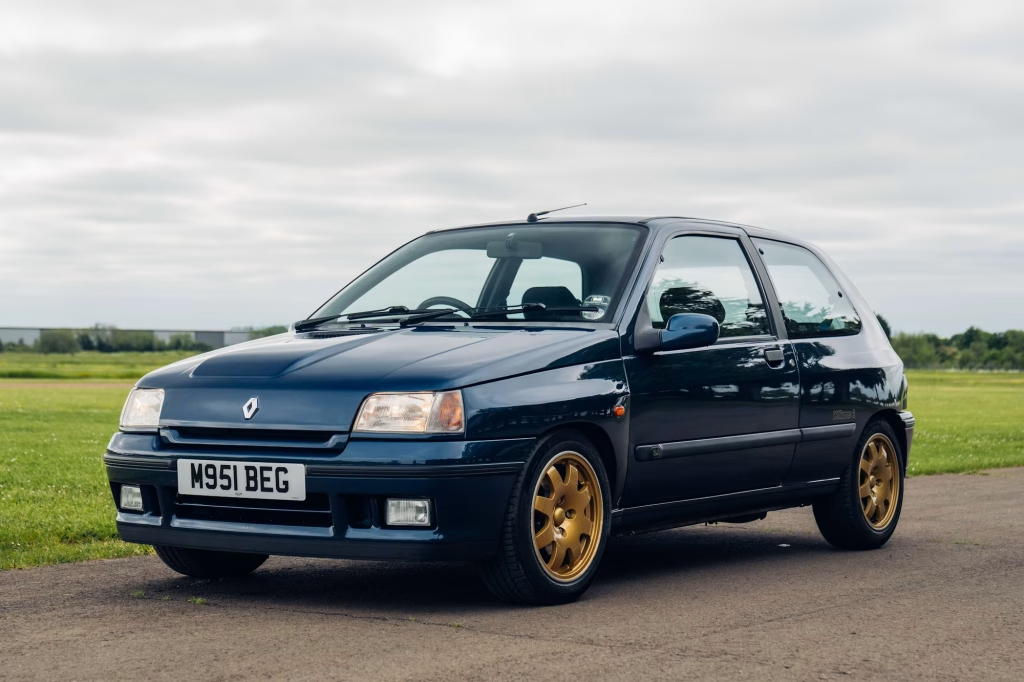
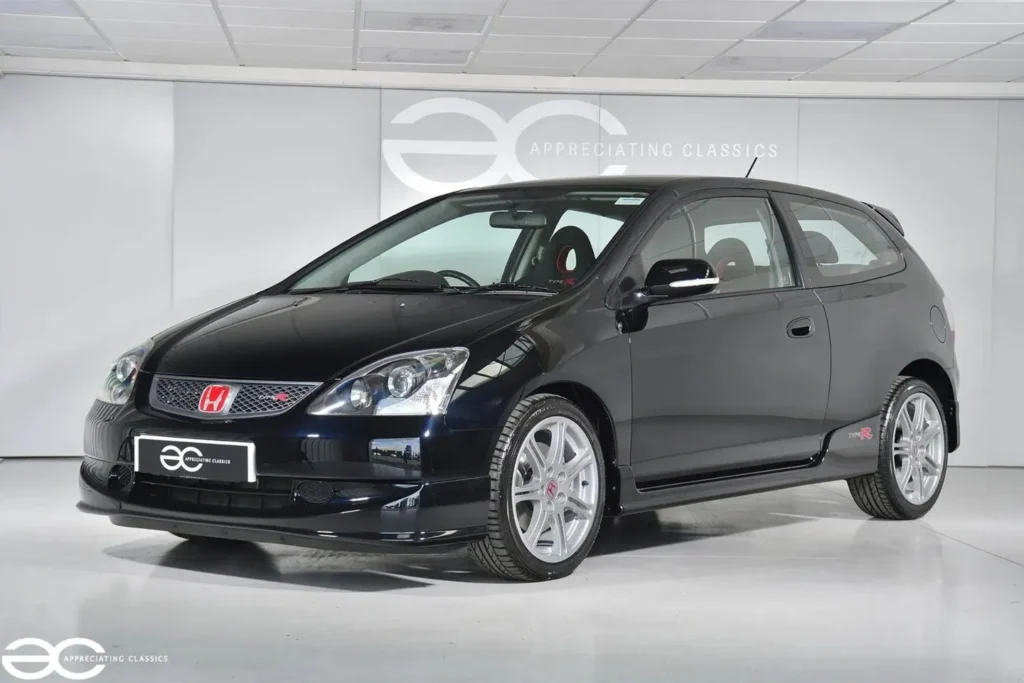
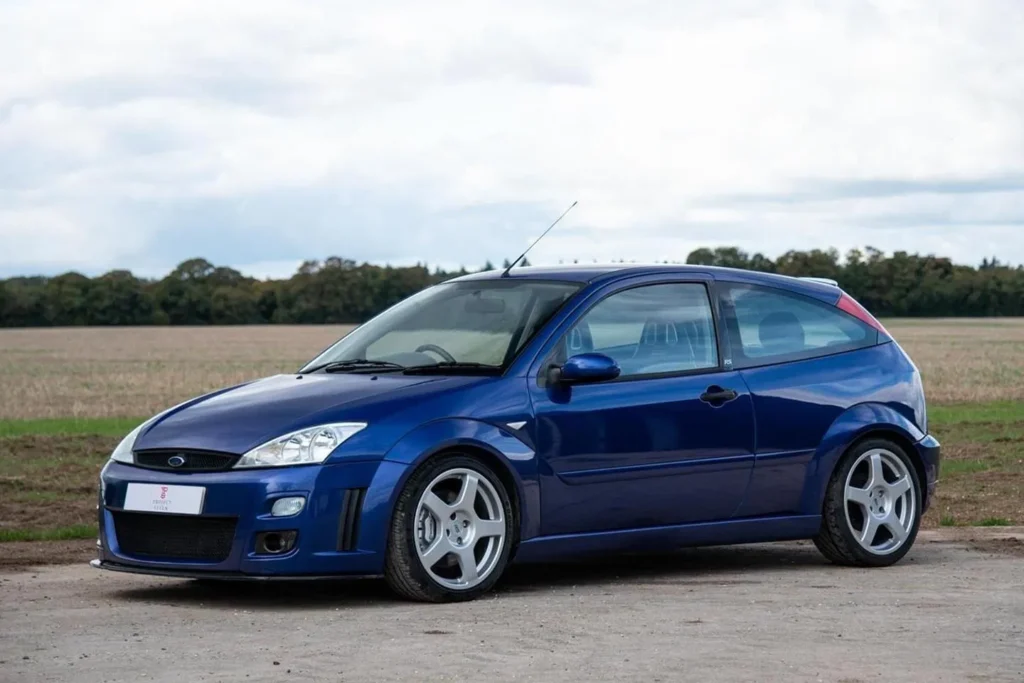
When Hot Hatches Became Supercar Quick
In the last decade, something extraordinary happened: the hot hatch stopped being simply “accessible performance” and started to rival supercars of the past.
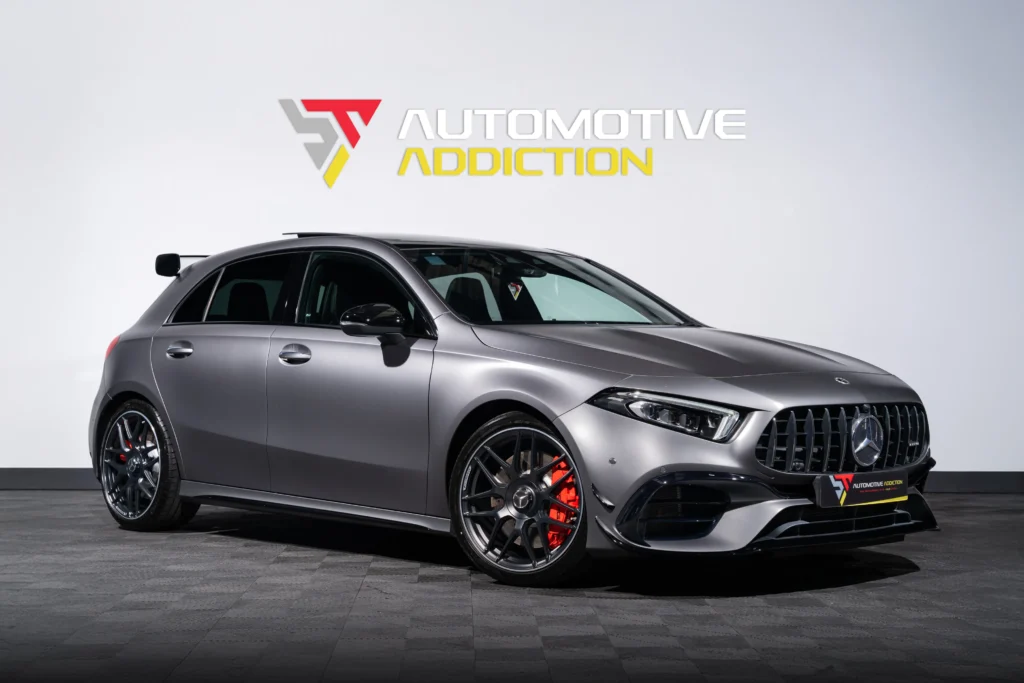
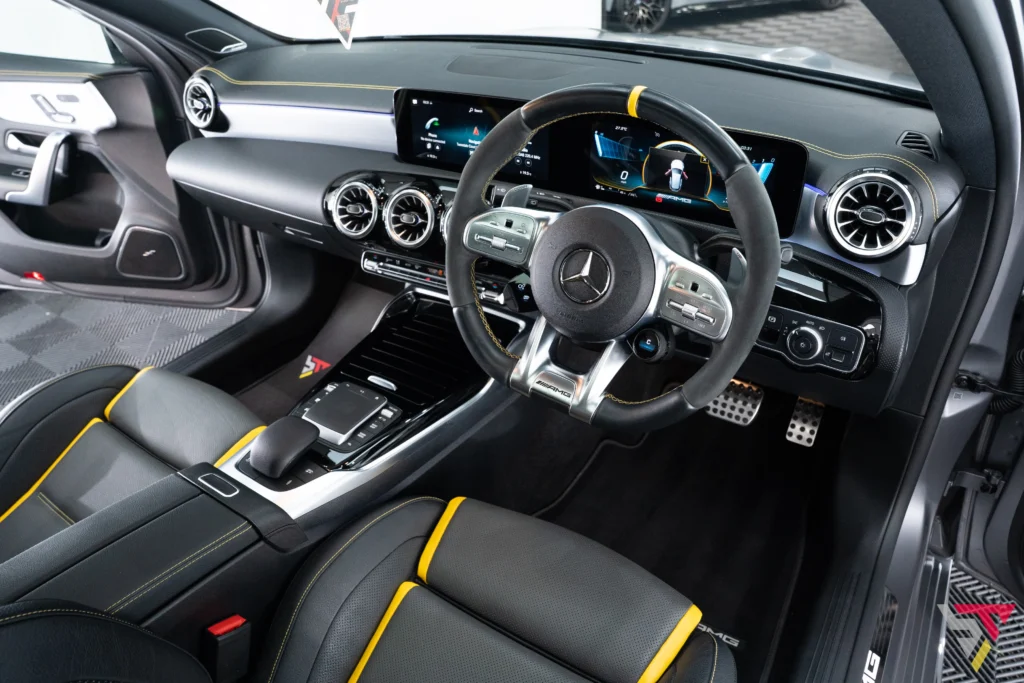
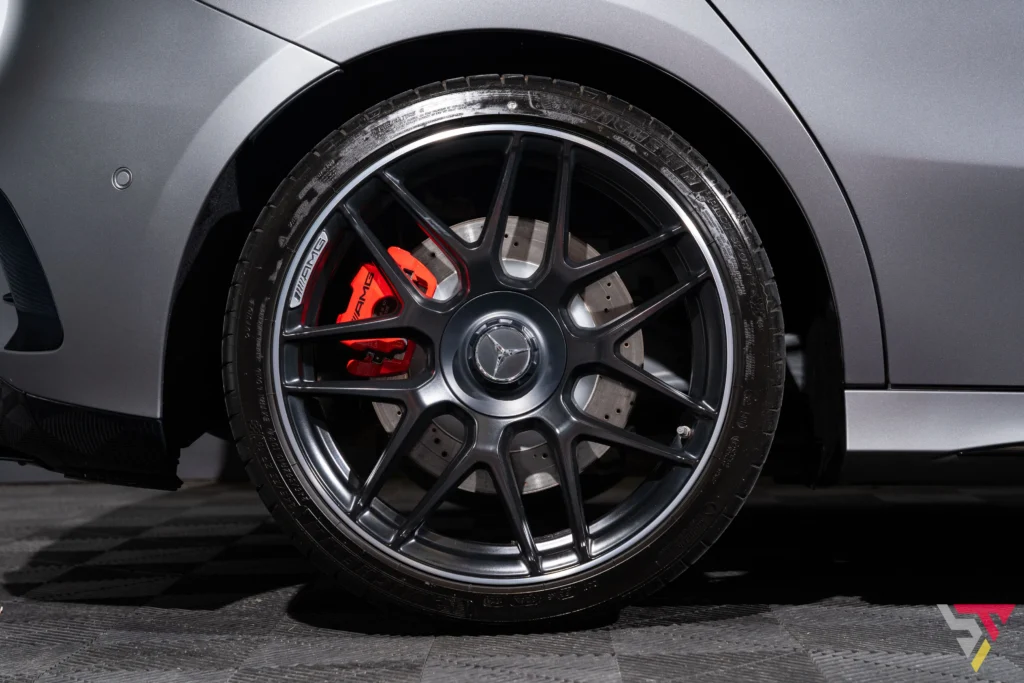
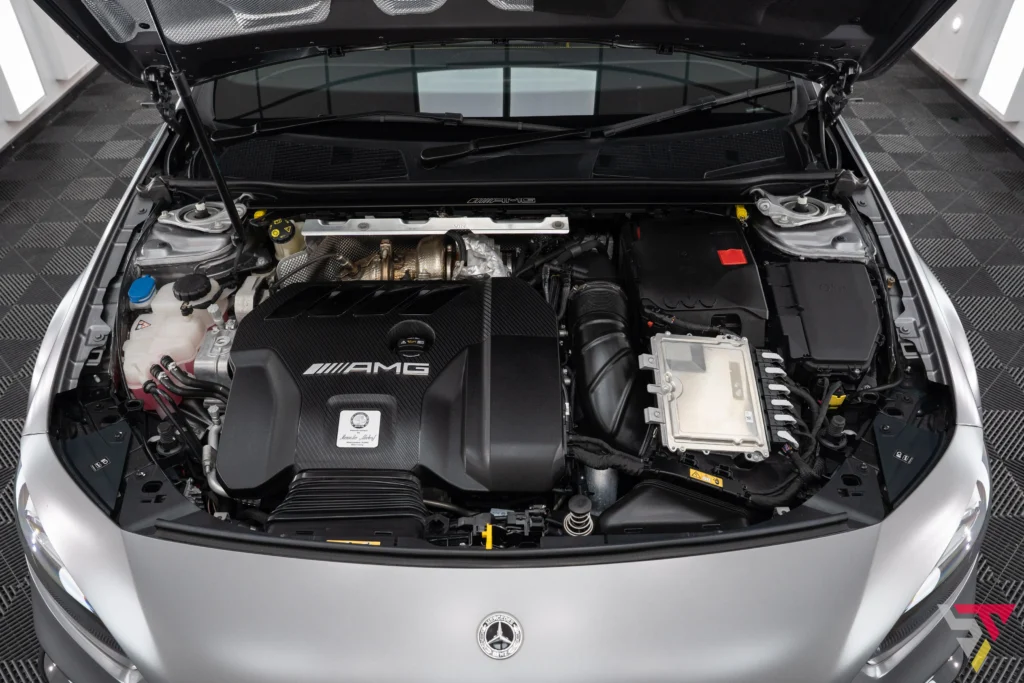
Take the Mercedes-AMG A45. When the first generation launched in 2013, it made headlines as the most powerful 2.0-litre production car ever built, with over 350hp. Today’s AMG A45 S has gone even further, with its handcrafted 2.0-litre turbocharged engine producing 421PS — a figure unthinkable in a hatchback just 20 years ago. With 0–60mph in 3.9 seconds, it’s quicker than a Ferrari F430 and level with a Porsche 911 Carrera S.
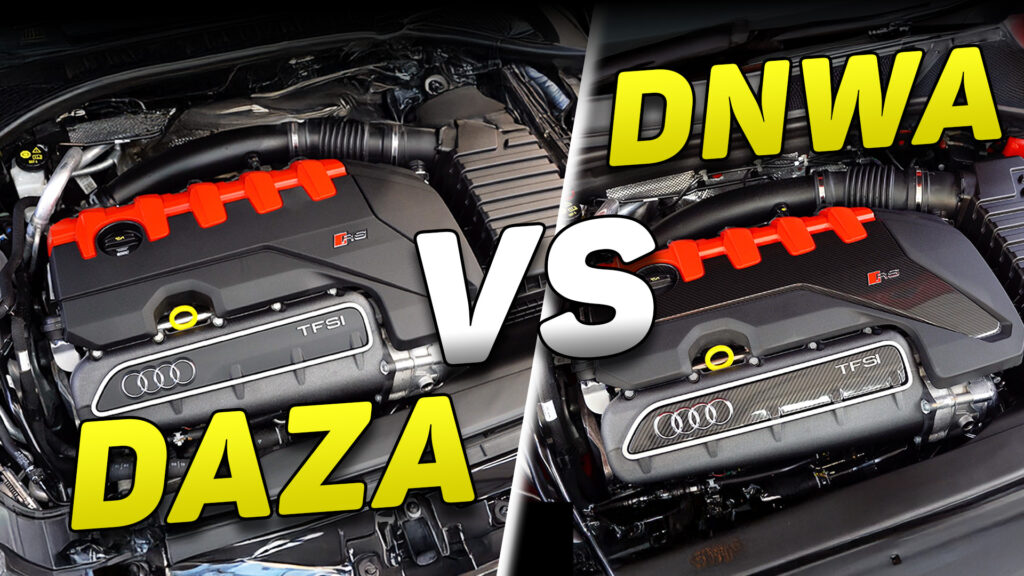
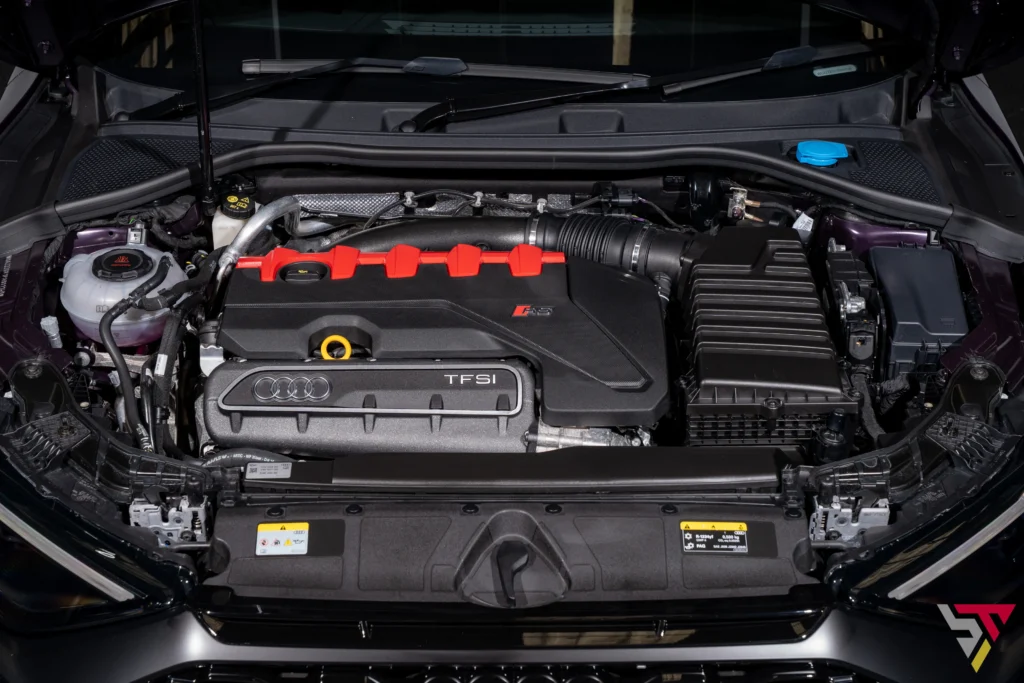
Then there’s the Audi RS3. Its unique 2.5-litre five-cylinder engine is a direct nod to Audi’s rallying heritage, delivering a spine-tingling soundtrack alongside brutal acceleration. The latest RS3 hits 0–62mph in 3.8 seconds, thanks to quattro all-wheel drive and clever torque-vectoring technology. It’s a hot hatch that doesn’t just flirt with supercar territory — it’s firmly playing in it.
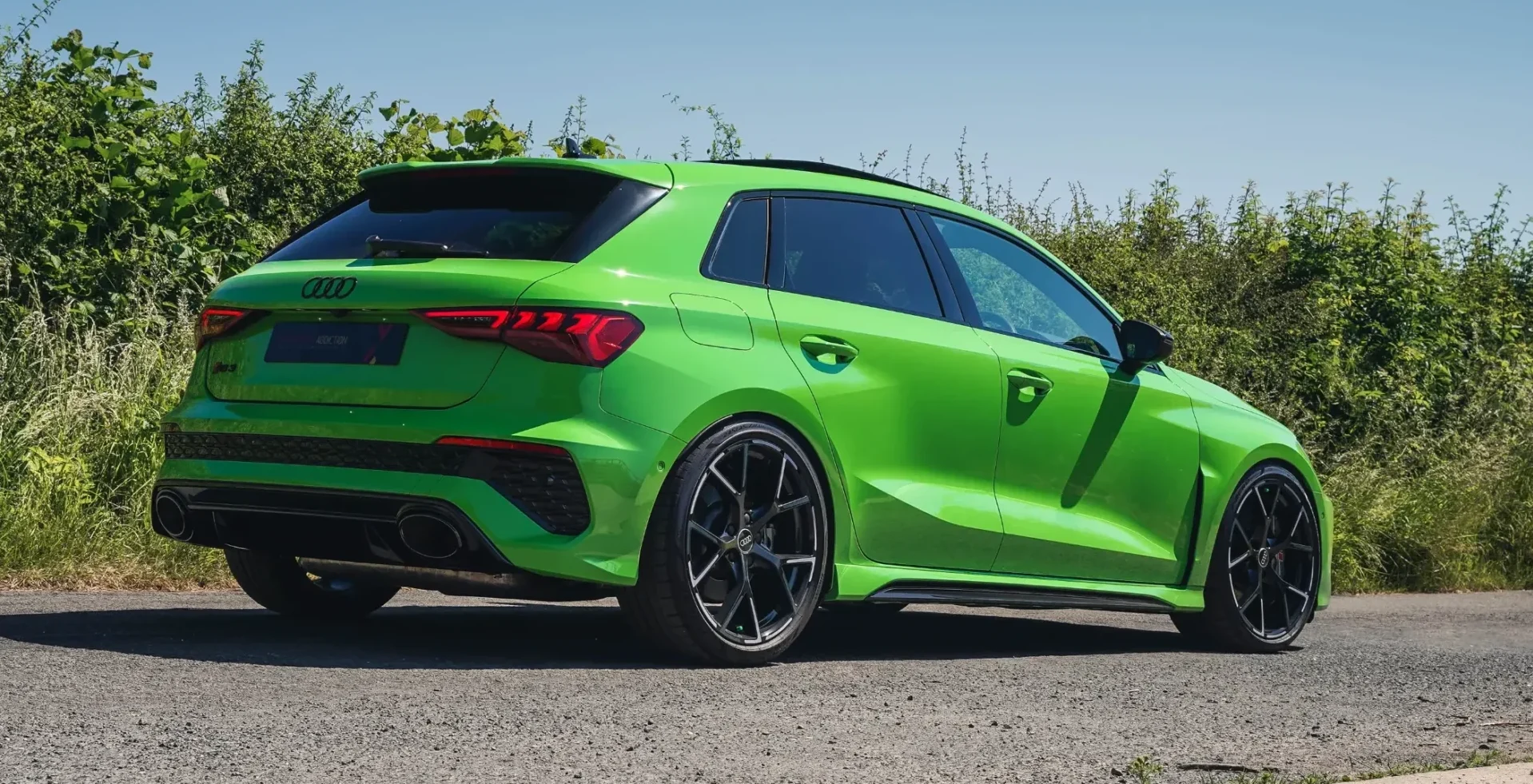
These cars have transformed the hot hatch from an enthusiast’s secret into a genuine performance benchmark. They’re cars you can daily-drive, commute in, and take on a road trip — but also embarrass supercars on a drag strip.
Performance for the People
So why do hot hatches resonate so strongly, even as their performance figures soar? The answer lies in their unique blend of usability, affordability, and accessibility.
Unlike supercars, which often feel intimidating or impractical, hot hatches are cars you can actually use every day. They have five doors, decent boot space, and modern tech comforts. Insurance and running costs are far more manageable than exotic metal, and crucially, they don’t draw as much unwanted attention.
More than that, hot hatches are exploitable. You don’t need a racetrack or perfect weather to enjoy them — they’re as much fun at 40mph on a back road as they are at full throttle, and their abilities shine whatever the weather. That makes them an honest, democratic kind of performance car.
Audi RS3 vs Mercedes-AMG A45: The Pinnacle of the Breed
At Automotive Addiction, we’ve stocked and sold some of the finest hot hatches available, such as the Mk2 and 3 Focus RS, Golf R and GR Yaris, but few models generate as much excitement as the RS3 and A45.
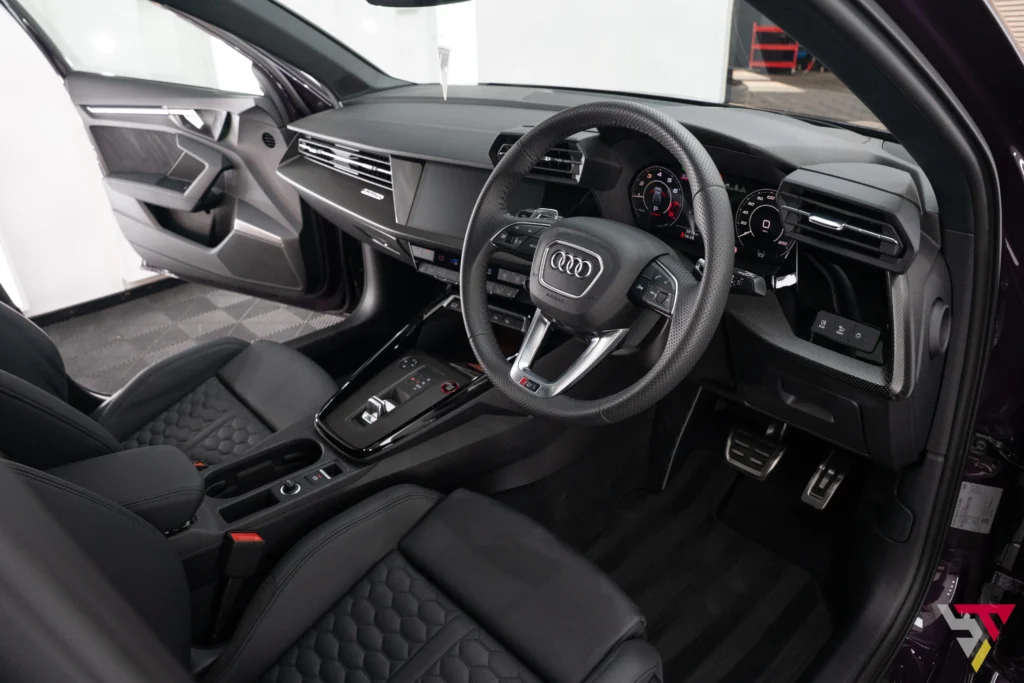
Audi RS3: Thanks to its iconic 2.5-litre turbocharged five-cylinder engine, which is one of the most charismatic powerplants on sale today, the RS3 has reached true cult status. Combined with quattro all-wheel drive, it delivers effortless grip and a distinct motorsport-inspired character. It’s the enthusiast’s choice for its mix of everyday comfort and sheer theatre.
Mercedes-AMG A45 S: The engineering masterpiece, with its astonishing 421PS 2.0-litre engine and razor-sharp chassis. It feels like a rally car for the road, with immense traction, tech-heavy features, and supercar-baiting performance figures.
Both represent the very top of what a hot hatch can be — cars that redefine expectations of what a practical, five-door hatchback is capable of.

The Future of the Hot Hatch
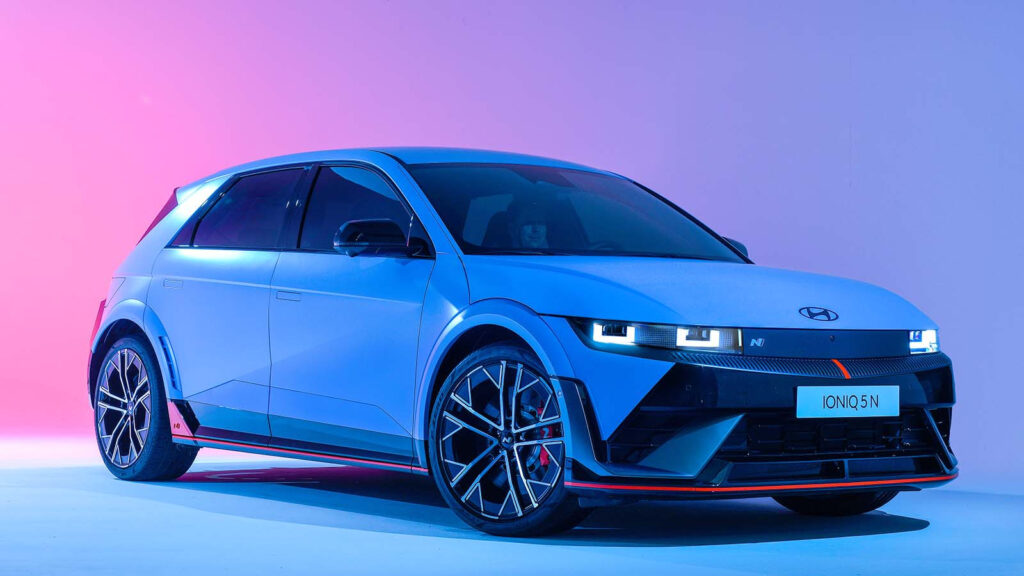
As the industry shifts toward electrification, the future of the hot hatch is evolving once again. Manufacturers like Volkswagen, Hyundai, and even Audi are exploring how to bring the hot hatch ethos into the EV age. Instant torque and compact platforms mean electric hot hatches could become the next big performance revolution.
But whether powered by petrol or electricity, the formula remains timeless: give ordinary drivers extraordinary performance, in a package they can use every day.
Accessible Performance Redefined
From the original Golf GTI to today’s class leading models like the Audi RS3 and Mercedes-AMG A45, the hot hatch has been on a remarkable journey. What started as an experiment in affordable performance has grown into a genre that can rival the world’s most exotic machinery — all while staying true to its roots as performance for the people.
At Automotive Addiction, we celebrate the hot hatch as one of the greatest success stories in modern motoring. Whether you’re looking for the charisma of an RS3 or the precision of an A45, these cars prove that driving excitement doesn’t have to be a distant dream — it can sit right on your driveway, ready to be enjoyed every single day.
Join The Revolution!
Fancy securing your owe slice of hot hatch royalty? Then get in touch with Automotive Addiction today. We have some of the very best examples of the breed from radical RS3s to audacious A45s. See our current stock list here or contact us for more information.